




The global demand for renewable energy has pushed wood pellet production into the spotlight. Whether you are a forestry operator, biomass entrepreneur, or industrial energy supplier, investing in a wood chip pellet machine is one of the most strategic decisions you can make in today’s green energy economy. This guide covers everything from machine selection to plant investment, helping you make an informed and profitable choice.
What Is a Wood Chip Pellet Machine and How Does It Work?
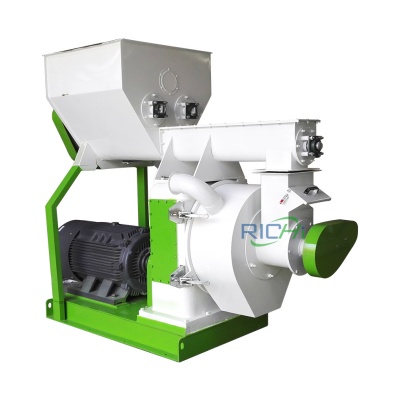
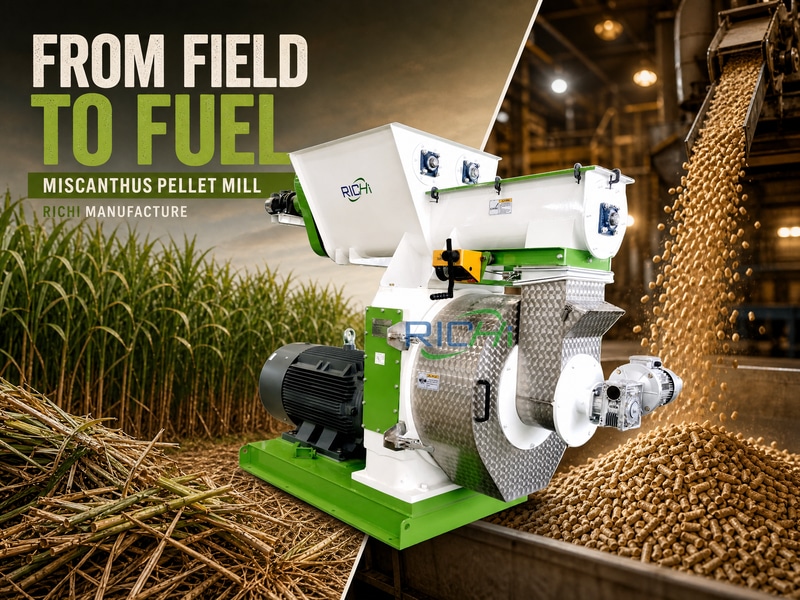
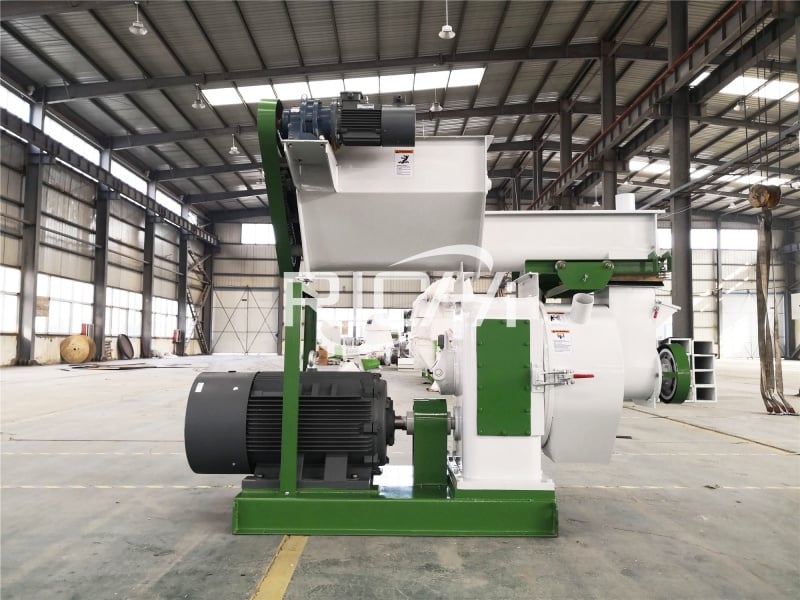
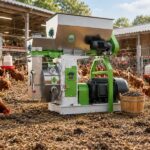
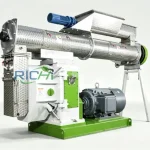
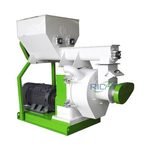
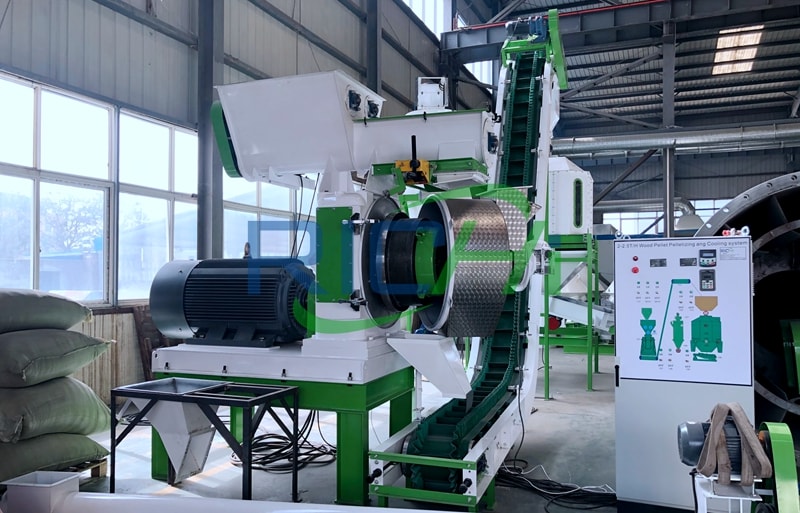
A wood chip pellet machine is specialized equipment designed to compress wood chips, sawdust, and other lignocellulosic materials into dense, uniform cylindrical pellets. The process involves feeding raw biomass into a conditioning chamber where heat and pressure are applied. A die and roller system then forces the material through small holes, shaping it into pellets of consistent diameter—typically 6mm or 8mm.
Modern machines operate using either flat-die or ring-die configurations. Ring-die models are preferred for large-scale production due to their superior output capacity, energy efficiency, and durability. The mechanical pressure and natural lignin content in wood act as binding agents, eliminating the need for chemical additives and resulting in a clean, high-energy fuel.
Key Factors That Influence Wood Pellet Plant Cost
Before launching a pellet production venture, understanding wood pellet plant cost is essential for accurate financial planning. Costs vary significantly based on several factors:
- Production capacity: Small-scale plants producing 1–2 tons per hour differ vastly in investment from large industrial setups producing 10+ tons per hour.
- Raw material handling systems: Pre-processing equipment such as chippers, dryers, and hammer mills add to the overall budget.
- Automation level: Fully automated lines reduce labor costs over time but require higher upfront capital.
- Location and infrastructure: Land acquisition, civil construction, and utility connections contribute substantially to total project cost.
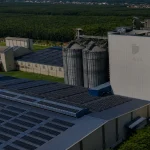
A complete small-to-medium plant can range from $50,000 to $500,000 USD, while large-scale commercial operations may exceed several million dollars. To explore detailed pricing breakdowns and project case studies, see post resources provided by established manufacturers for accurate budget references.
Why Equipment Quality Determines Long-Term ROI
The performance of a wood chip pellet machine directly determines your plant’s output quality, energy consumption, and maintenance frequency. Low-quality machines often suffer from frequent die wear, inconsistent pellet density, and high downtime rates—all of which erode profit margins.
Choosing a trusted manufacturer is therefore not optional—it is a business necessity. Richi manufacture has become a globally recognized name in the pellet machinery industry. With decades of engineering expertise and hundreds of successful installations worldwide, Richi delivers machines built for reliability, high throughput, and low operating costs. Their product range covers everything from single pellet mills to complete turn-key plant solutions, making them a one-stop resource for investors at any scale.
Designing Your Wood Chip Pellet Production Line
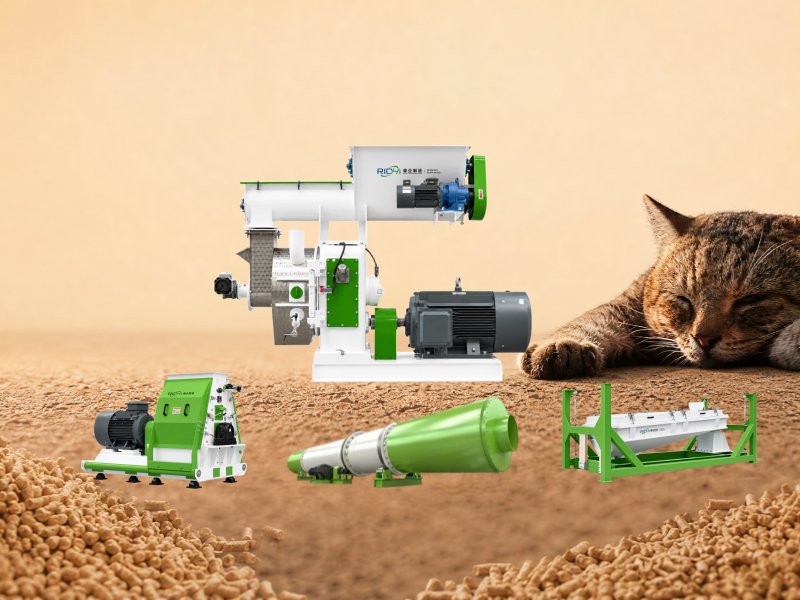
An efficient production line integrates multiple processing stages. The typical workflow includes:
- Raw material reception and storage — chips and biomass are collected, sorted, and stored.
- Size reduction — wood chips are processed through hammer mills or crushers to achieve uniform particle size.
- Drying — moisture content must be reduced to 10–15% for optimal pellet quality.
- Pelletizing — the core stage where the wood chip pellet machine compresses material into pellets.
- Cooling — freshly formed pellets are hot and fragile; coolers bring them to room temperature and harden their structure.
- Screening and packaging — finished pellets are sieved, bagged, or loaded into bulk storage.
Each stage must be matched in capacity to avoid bottlenecks that reduce overall plant efficiency.
Market Outlook and Investment Opportunities
The global wood pellet market continues to grow, driven by tightening carbon regulations in Europe, North America, and Asia. Industrial power plants are increasingly mandated to shift from coal to biomass-based fuels, creating sustained demand for high-quality wood pellets.
This market trajectory makes now an excellent time to invest. Wood pellet plant cost has also become more accessible as manufacturing technology matures and competition among suppliers increases. Understanding your local feedstock availability, target market, and transportation logistics will help define the most profitable plant scale for your situation.
Conclusion
A wood chip pellet machine is the foundation of a scalable, profitable biomass energy business. By carefully evaluating wood pellet plant cost, selecting quality equipment from Richi manufacture, and reviewing all relevant technical and market data—including resources where you can see post for real project examples—you position your business for long-term success in the growing renewable energy sector.