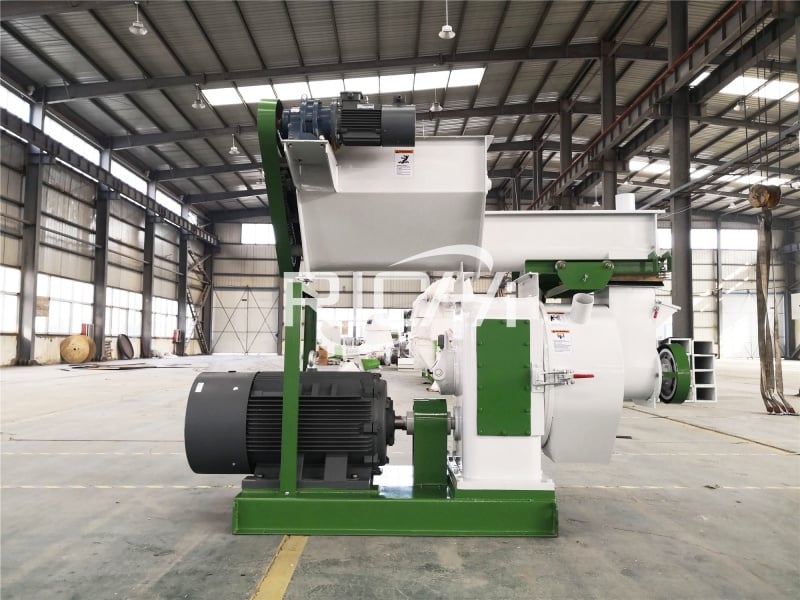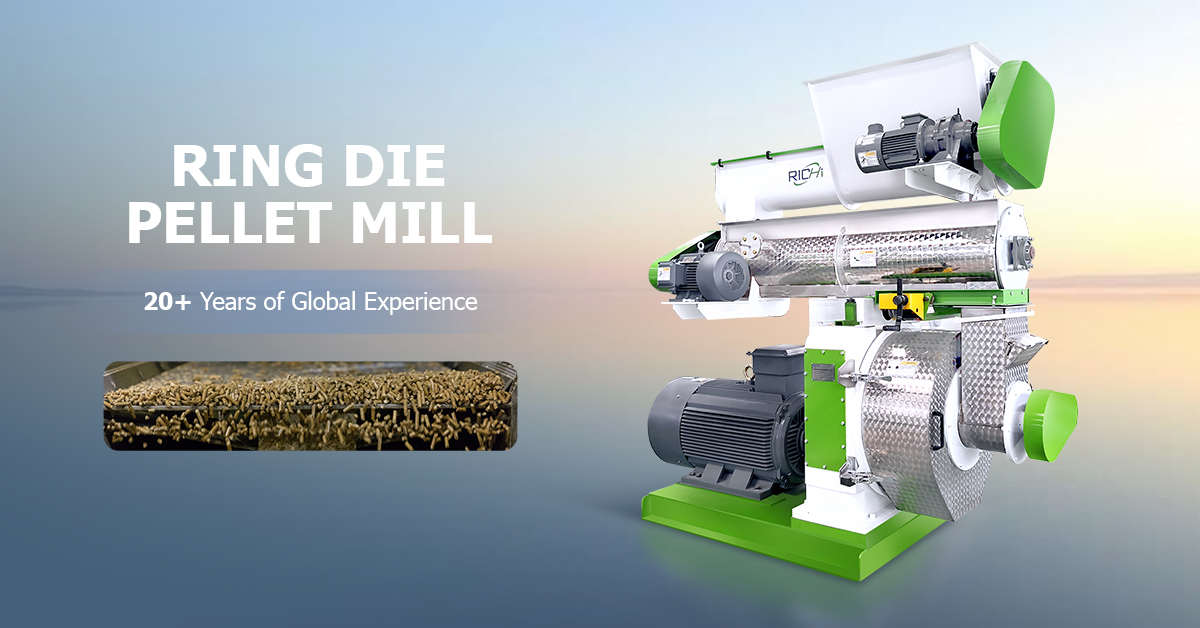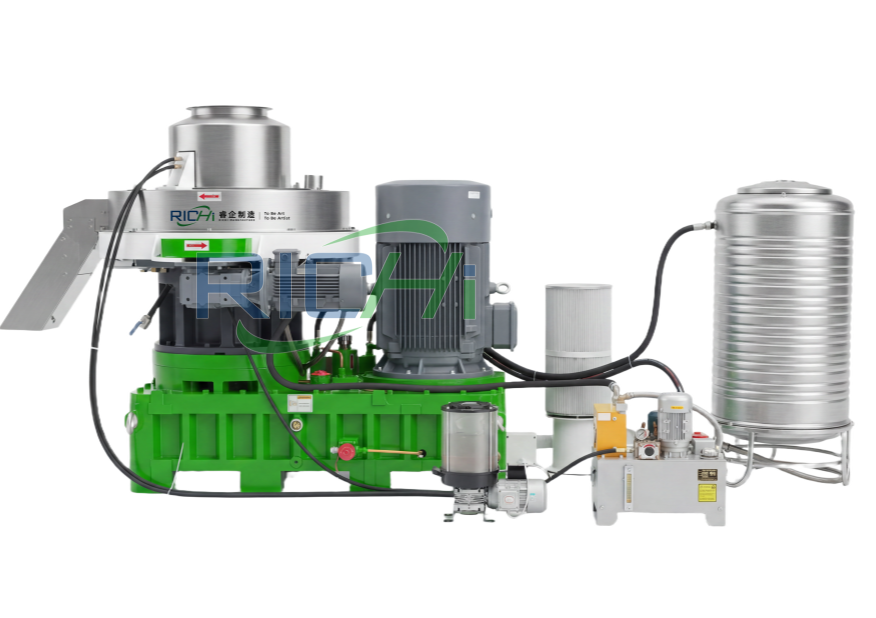





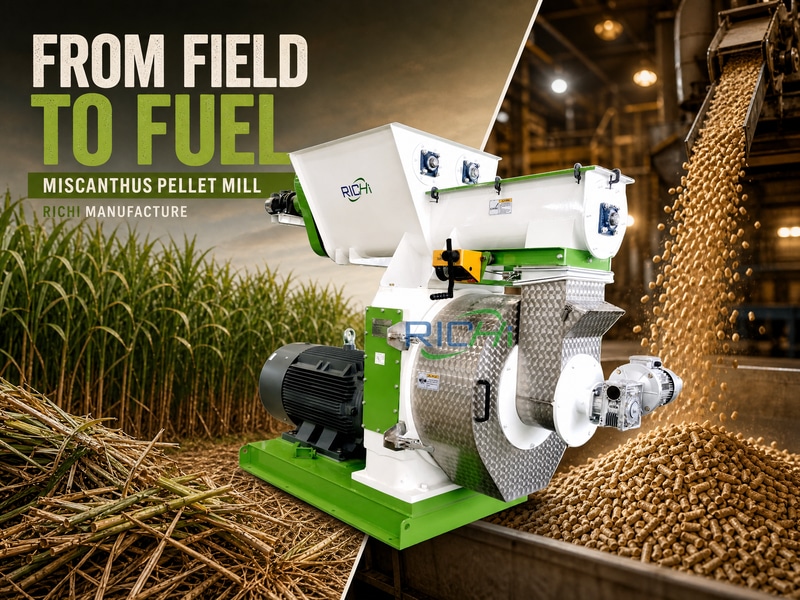
The question of grass pellet machine price is common among investors exploring biomass fuel production. Yet there is no single price that applies to every grass pellet project. Equipment cost depends on production capacity, raw material condition, process configuration, automation level, electrical requirements, and the amount of auxiliary equipment included in the project.
For a project based on miscanthus, the first consideration should be whether the selected miscanthus pellet mill is suitable for the physical characteristics of the feedstock. A low initial price has limited value if the equipment requires frequent modifications or cannot maintain stable production.
Capacity Has a Direct Influence
Production capacity is one of the most visible factors affecting equipment investment. A small pelletizing system designed for local use requires fewer mechanical components and less supporting infrastructure than a large commercial plant.
However, capacity should not be selected simply according to the desired maximum output. A business needs to consider how much usable miscanthus it can collect throughout the year. If raw material supply is seasonal, the plant may need sufficient storage to maintain production during periods of limited harvesting.
Capacity also influences other sections. A higher-throughput pelletizer may require larger crushers, dryers, conveyors, coolers, dust collection equipment, and packaging systems. Consequently, increasing capacity can affect the cost of the entire line rather than just the pellet mill.
Raw Material Moisture Changes the Equation
Moisture is another major consideration. If the material already has a suitable moisture level, the production line may require relatively limited drying. If the feedstock arrives wet, however, drying becomes an important part of the investment.
A dryer requires not only the main drying equipment but also hot-air generation, material conveying, dust control, and appropriate installation space. This can substantially change the project budget.
Investors should therefore test or analyze the actual feedstock before requesting a final quotation. A machine supplier can then recommend a more realistic configuration.
Why Auxiliary Equipment Matters
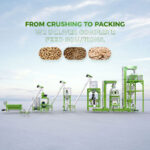
The pellet mill is the central compression machine, but it does not operate independently in a commercial line. Miscanthus generally needs to be reduced in size before entering the pelleting section. After pellet formation, cooling and screening help stabilize the product.
Packaging requirements also vary. A producer selling bulk fuel may need a different handling system from a business selling small retail bags.
These differences explain why two projects with similar pellet capacity can have very different investment costs. One may require only basic material preparation, while another may need extensive drying, conveying, dust collection, cooling, and automatic packaging.
For anyone comparing quotations, it is useful to read more about what each supplier includes in the proposed system rather than comparing the price of the main machine alone.
Equipment Quality and Operating Cost
Initial investment is only one part of the financial calculation. Energy consumption, die and roller wear, lubrication requirements, maintenance labor, and downtime all influence the long-term cost of producing each ton of pellets.
A robust machine may cost more initially but reduce maintenance interruptions over time. Similarly, an efficient transmission system can influence electricity consumption across thousands of operating hours.
This is particularly relevant for fibrous materials because pellet production can place substantial mechanical demands on the compression system. Components such as bearings, gears, couplings, rollers, and dies should be evaluated as part of the equipment specification.
Comparing Different Suppliers
When comparing manufacturers, investors should request detailed technical proposals. The quotation should make it clear which equipment is included, what capacity is expected under the stated raw material conditions, and which installation or commissioning services are available.
It is also helpful to review equipment designed for related biomass materials. A supplier experienced with sawdust, straw, grass, or other agricultural residues may understand how different raw materials affect the pelleting process.
A wood pellet maker, for example, is built around a different raw material structure, but the experience gained from biomass compression technology can still be relevant when evaluating transmission systems, dies, cooling, and production-line integration.
Looking at the Investment as a Whole
A grass pellet project should be evaluated according to cost per ton of usable product rather than machine purchase price alone. A properly sized production line can make better use of available biomass, while unnecessary capacity can leave expensive equipment underutilized.
The best approach is to calculate raw material availability, annual production, energy consumption, labor, maintenance, packaging, transportation, and expected selling price together. Once these figures are understood, equipment selection becomes much more rational.
The grass pellet machine price then becomes one part of a broader investment decision rather than the only number used to judge a potential project.
view details: https://www.richimanufacture.com/grass-pellet-machine/