




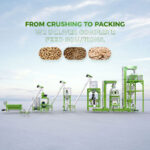
When planning a leaf pellet production project, the price of the pellet mill is only one part of the total investment. Raw material preparation, moisture control, drying, cooling, conveying, storage, and automation can all affect the final project cost.
Understanding these factors before purchasing equipment can help buyers develop a more practical budget and avoid choosing a configuration that is either too simple for production needs or unnecessarily expensive.
What Affects Leaf Pellet Mill Price?
The capacity of the equipment is one of the first factors to consider. A small system designed for several hundred kilograms per hour will normally require less equipment and power than a commercial production line handling several tons per hour.
For example, a project using leaves collected from a farm or municipal area may have different requirements from a commercial biomass facility processing leaves continuously. The required output should therefore be determined before comparing the leaf pellet mill price of different models.
Raw Material Condition
Leaves are lightweight and can contain a relatively high amount of moisture when freshly collected. They may also contain soil, small branches, stones, or other impurities.
Before pelletizing, the material may need cleaning, drying, and size reduction. If the leaves are already dry and relatively clean, fewer preparation machines may be required.
However, wet leaves can increase drying requirements and energy consumption. The condition of the raw material is therefore an important part of the equipment quotation.
Grinding and Drying Equipment
Leaf material usually needs to be reduced to a suitable particle size before entering the pellet mill. A hammer mill or similar grinding machine can help produce a more consistent feedstock.
Drying requirements depend mainly on the incoming moisture content and the desired condition of the material before pelletizing.
A rotary dryer can be integrated into larger production systems when continuous moisture reduction is required. Smaller projects with naturally dry leaves may be able to use a simpler preparation process.
This is one reason why two projects with similar pellet capacity can have noticeably different equipment costs.
Pelletizing Capacity
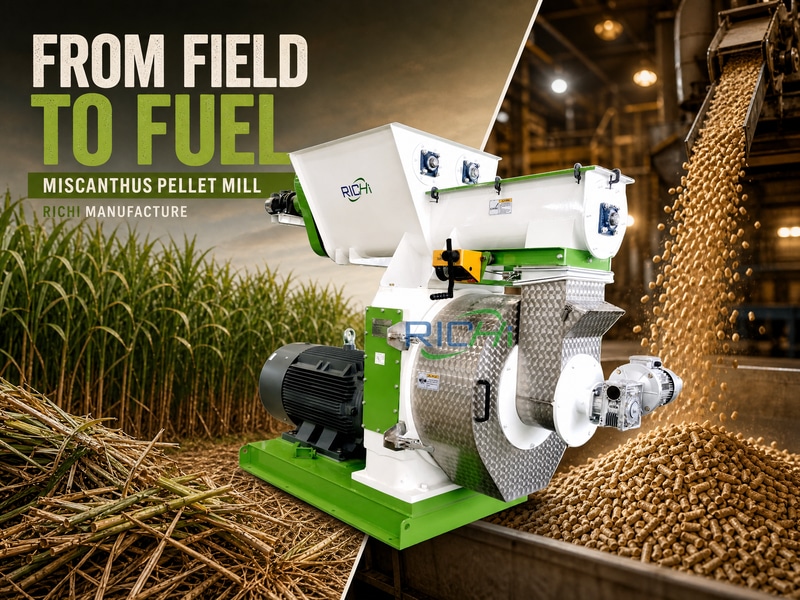
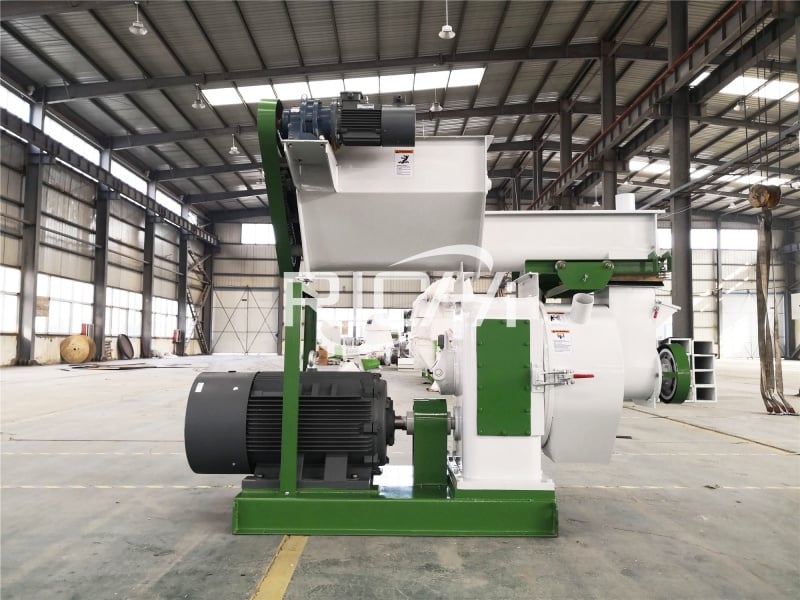
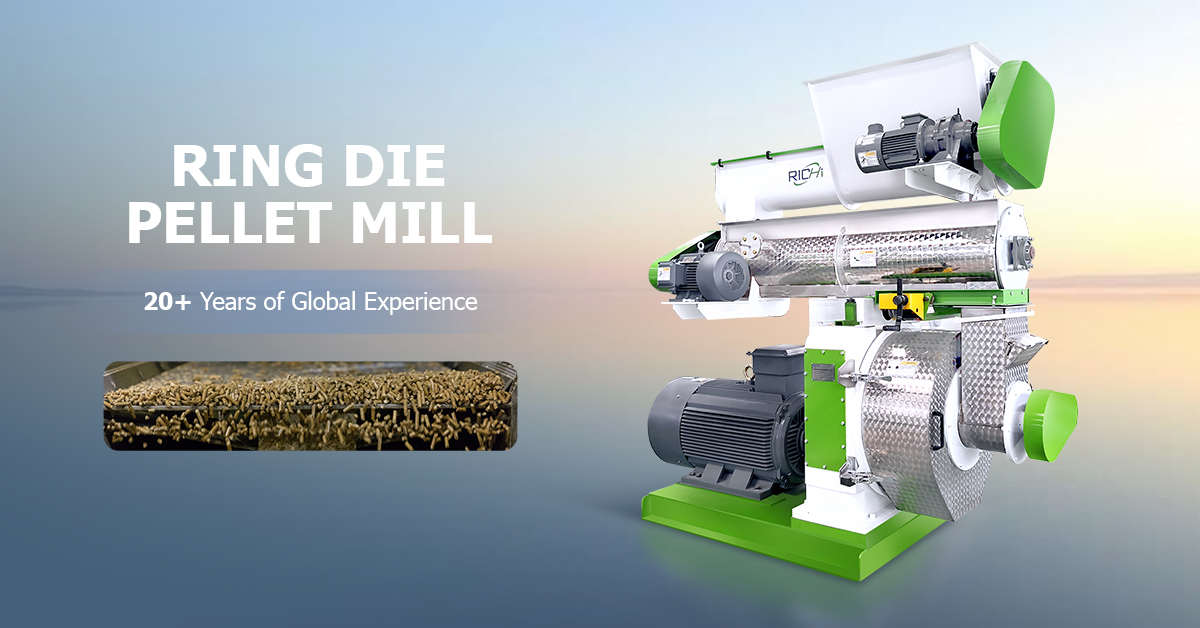
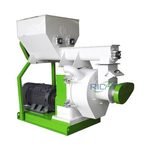
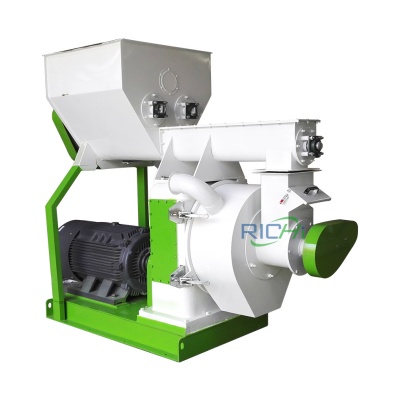
The pellet mill itself is the core forming machine. During operation, prepared leaf material is compressed through die holes to form cylindrical pellets.
A larger-capacity machine generally requires a larger motor and supporting material-handling equipment. Buyers should consider the actual production target rather than selecting a model based only on maximum advertised capacity.
When comparing quotations, it can also be useful to review the 5T/H straw pellet mill price for a similar production capacity. Although straw and leaves have different physical characteristics, this comparison can provide another reference when evaluating biomass pelletizing equipment.
Cooling and Screening
Fresh pellets normally leave the pellet mill with elevated temperature and may contain loose fines.
A pellet cooler can reduce the temperature of the finished pellets, while a screening machine can separate fines and undersized material from the finished product.
For a small operation, these processes may use relatively simple equipment. A larger commercial plant may require continuous cooling, screening, conveying, and automatic material transfer.
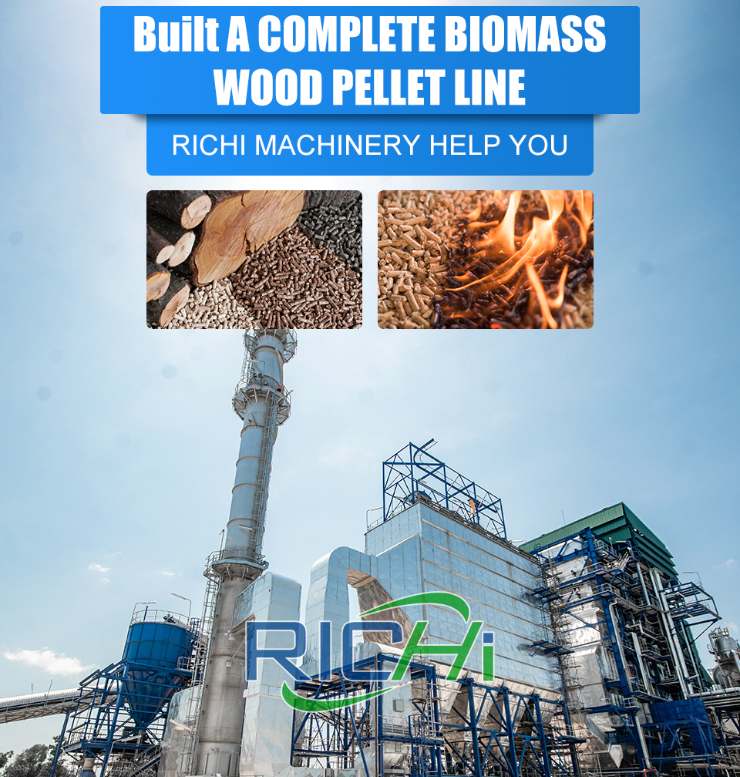
These downstream machines should be included when calculating the complete project investment rather than focusing only on the pellet mill.
Automation Level
Automation can also change the overall cost.
A basic system may rely on manual feeding, bagging, and material handling. This approach can be practical when production volume is limited.
A more automated system can include centralized electrical control, automatic feeding, conveyors, weighing, screening, and automatic packaging. The initial investment will be higher, but automation can reduce repetitive manual operations and improve production consistency.
The appropriate level depends on the available labor, production schedule, and expected output.
How to Compare Equipment Quotations
When comparing suppliers, buyers should check exactly what is included in each quotation.
A quotation may cover only the main pellet mill, while another may include grinders, dryers, conveyors, coolers, screens, electrical controls, spare parts, and installation support.
It is therefore useful to compare the complete equipment list, motor power, expected capacity, raw material requirements, and auxiliary equipment.
For buyers who are also considering different biomass pelletizing configurations, a pellet mill for sale can be used as another reference point when comparing machine specifications and project layouts.
Final Investment Considerations
The cost of a leaf pellet project depends on the entire production process rather than the pellet mill alone. Raw material condition, required capacity, drying, grinding, cooling, screening, automation, and packaging can all influence the final investment.
Before requesting a quotation, it is helpful to prepare information about the available leaf material, moisture content, required pellet diameter, target production capacity, and operating hours.
With these details, suppliers can recommend a more suitable equipment configuration and provide a more realistic project quotation. For more information about biomass pellet production equipment and project planning, read here.
Related Post: https://pelletizerequipment.com/hemp-pellet-machine/