




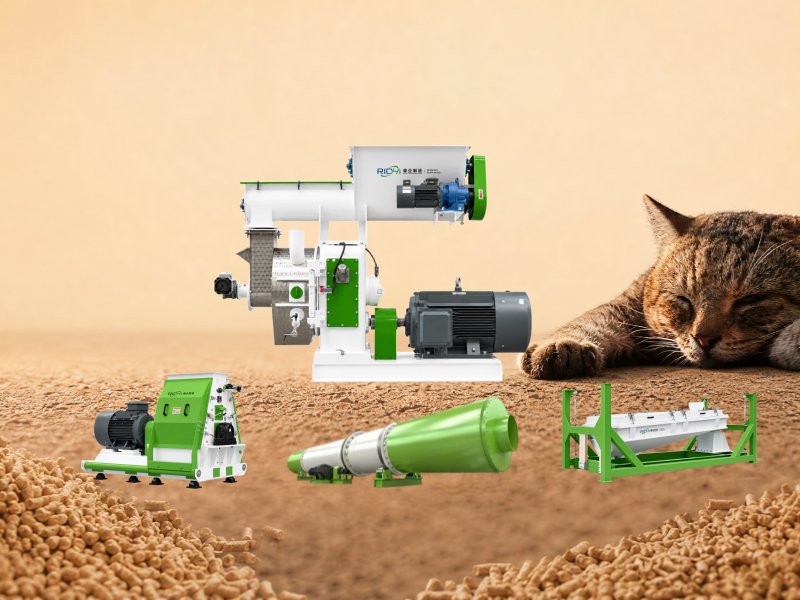
The Biggest Change Is Not the Machinery
When a woodworking business considers entering the pet-litter industry, the obvious question is usually about equipment.
But the bigger challenge is changing the role of the raw material.
Sawdust is traditionally treated as an industrial residue.
Cat litter is a consumer product.
That difference changes almost everything.
A residue is valued according to what someone is willing to pay for it in bulk.
A consumer product is judged by consistency, packaging, convenience, performance and brand perception.
The transition from one to the other requires a manufacturing strategy.
A Sawdust Business Already Has One Important Advantage
Woodworking companies already understand their raw material.
They know:
- Where it comes from
- How much is generated
- Which suppliers are reliable
- Which seasons affect supply
- What storage problems exist
- What equipment is already available
That information can provide a strong starting point.
Instead of searching for an entirely new industry without resources, the company can build on an existing material advantage.
The next step is deciding whether that material can support a pet-product business.
Start With Customer Need, Not Equipment
A product should answer a clear market need.
For wood-based cat litter, possible positioning directions include:
- Natural-material litter
- Low-dust litter
- Lightweight litter
- Wood-fiber litter
- Absorbent litter
- Retail premium litter
- Cost-effective bulk litter
The company should choose a direction before finalizing the processing system.
Why?
Because each positioning may lead to different priorities for particle size, density, packaging and product finishing.
What Does “Premium” Actually Mean?
The word premium is often used too broadly.
For a cat-litter product, a premium position should be supported by measurable or visible characteristics.
That could mean:
- More consistent particles
- Cleaner packaging
- Lower visible fines
- Better absorption behavior
- More attractive appearance
- More reliable moisture control
- Better packaging design
A higher price without a clear reason may be difficult to defend.
Therefore, product differentiation should be built into the manufacturing process.
Why a Complete Production System Matters
The production system is the link between raw material and customer experience.
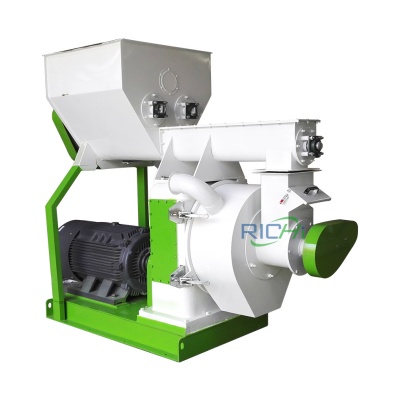
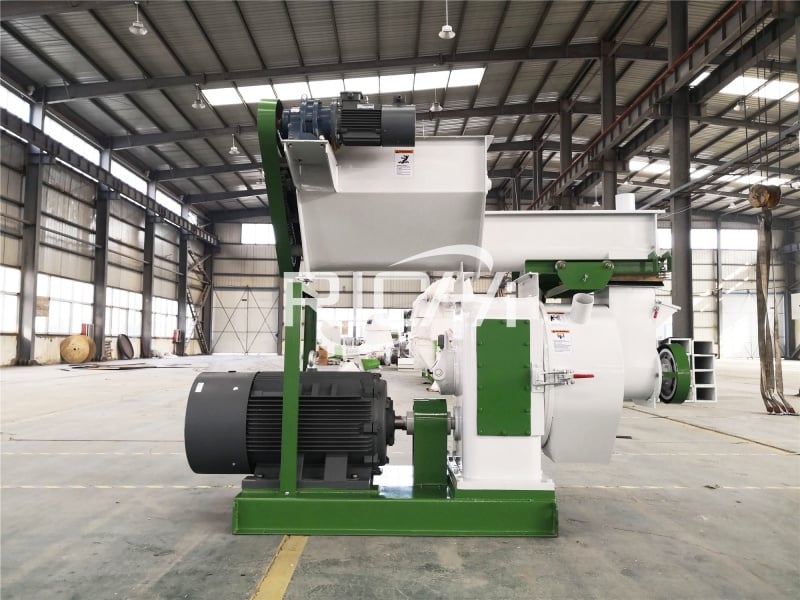
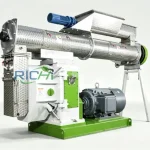
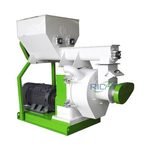
A Sawdust Cat Litter Machine is only one part of that system.
The factory may also require:
- Raw-material storage
- Size reduction
- Feeding
- Forming
- Drying
- Cooling
- Screening
- Packaging
- Dust collection
- Electrical control
These elements should work together.
A machine with impressive individual specifications can still produce disappointing results if the rest of the line is poorly matched.
The Importance of Product Consistency
Imagine buying the same brand of litter three times.
The first bag contains uniform particles.
The second contains more powder.
The third contains noticeably larger pieces.
Even if all three were technically produced from the same type of material, the customer may perceive the brand as unreliable.
Consistency is therefore one of the main commercial assets in this market.
The factory should build procedures that keep the product within defined limits.
This requires regular testing rather than relying entirely on operator judgment.
Packaging Is a Sales Tool
For consumer products, packaging is part of the product.
A bag on a warehouse pallet and a bag on a retail shelf have very different marketing functions.
The retail package should communicate quickly:
What is it?
What material is it made from?
What problem does it solve?
Why should the customer choose it?
How is it used?
What makes it different?
Packaging should therefore be considered during product development, not after the factory has already been installed.
How Much Should a New Business Produce?
Production capacity should be linked to realistic sales expectations.
A new brand may not need a very large factory on day one.
A smaller commercial line can provide a controlled environment for learning.
The company can test:
- Product formulation
- Packaging
- Distribution
- Price positioning
- Customer feedback
- Reorder rates
- Production cost
If demand increases, the production system can be expanded.
This is often more practical than building a very large plant before the business model is validated.
Multi-Product Production Can Spread Risk
A business using clean wood residues may not want to depend on only one product.
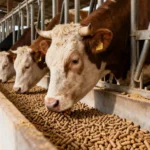
Animal bedding can provide another potential market.
A company researching a 0.2-10T/H animal bedding pellet machine for sale may therefore be considering a production platform capable of supporting multiple biomass applications.
The strategic benefit is flexibility.
If pet-litter demand changes, the company may still have another application for its raw material.
The products should not be mixed carelessly, but the underlying processing infrastructure may provide opportunities for diversification.
What Does a Commercial Production Day Look Like?
Once the business is running, production becomes a sequence of decisions.
Morning raw material arrives.
The team checks moisture and cleanliness.
The material is prepared.
The forming section begins operating.
Finished product moves through drying and cooling.
Screening removes unsuitable fractions.
Packaging turns the material into retail units.
Quality-control personnel record production data.
Warehouse staff prepare finished goods for shipment.
This sounds ordinary, but every stage affects the final product.
A commercial factory succeeds through repeatability.
Preventing “Good Batch, Bad Batch” Problems
One of the biggest challenges in biomass processing is variation.
Raw materials change.
Weather changes.
Operators change.
Machine components wear.
Packaging materials change.
A good manufacturing system therefore needs monitoring.
Useful records may include:
- Raw-material moisture
- Hourly production
- Product temperature
- Particle size
- Fines percentage
- Downtime
- Packaging losses
These records make it possible to identify trends.
(Related Post: https://biomasspelletizer.com/sawdust-hammer-mill/)
For example, if dust increases after several weeks, the cause may be wear in a forming component rather than a change in raw material.
Without data, troubleshooting becomes guesswork.
Maintenance Is Part of Product Quality
Maintenance is sometimes treated as a separate engineering issue.
For consumer products, it is also a quality issue.
Wear can influence:
- Product dimensions
- Particle strength
- Output
- Energy use
- Vibration
- Fines
Routine inspection should therefore be linked to quality management.
Manufacturers should identify which components are wear parts and create replacement schedules based on operating conditions.
Why Supplier Support Matters After Installation
The production line becomes most important after it starts running.
Operators may need help adjusting settings when raw material changes.
Maintenance personnel may need guidance on wear components.
The factory may also want support when introducing a new product formulation.
This makes after-sales engineering support an important consideration when comparing suppliers.
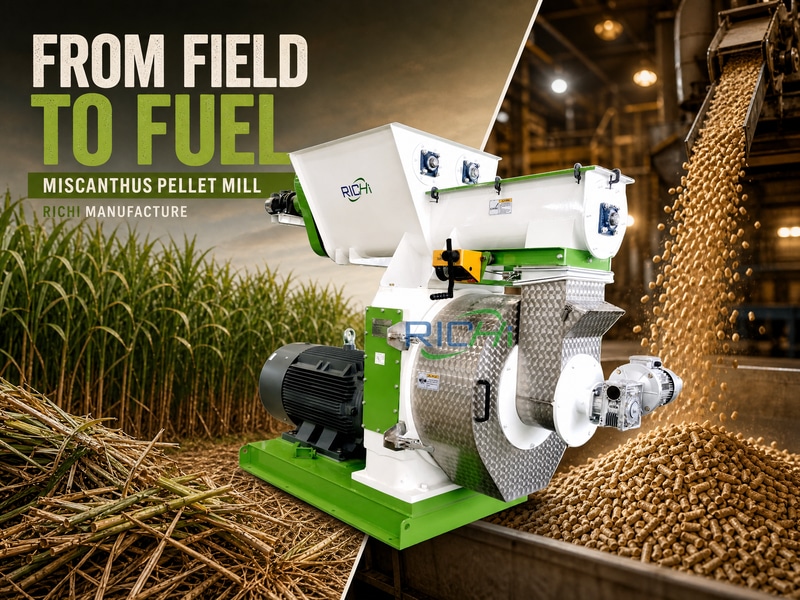
A Richi manufacture project can include equipment discussions beyond a single forming unit, but every supplier proposal should be reviewed according to the actual technical scope, commissioning support and operating requirements.
The Product Should Be Tested Beyond the Factory Gate
A manufacturer may consider a product successful because it runs well on the production line.
The market may disagree.
Finished litter should be evaluated in terms of transport and customer use.
Questions may include:
Does the product break excessively during shipping?
Does it create excessive fines after handling?
Does the packaging remain intact?
Does the product remain stable after storage?
Does the customer understand how to use it?
These are product-development questions as much as manufacturing questions.
Freight and Storage Can Affect the Business Model
Cat litter is relatively heavy compared with many pet accessories.
That means logistics can become an important part of the cost structure.
Manufacturers should therefore consider where the product is made and how far it must travel.
A regional production model may make sense when raw material is locally available and the target market is nearby.
In other cases, centralized production may benefit from economies of scale.
The correct choice depends on material supply, market size, transport costs and warehouse infrastructure.
A Good Product Requires a Good Story
Consumer products are often easier to market when customers understand their purpose.
A wood-based litter brand might communicate:
- Clean wood-derived material
- Controlled production
- Consistent particle size
- Packaging convenience
- Dust-conscious processing
- Product traceability
The story should remain factual.
Good marketing does not need exaggerated claims.
It should make real product differences easy to understand.
For more technical background, manufacturing ideas and related industry topics, discover this info here.
Turning Industrial Knowledge Into Consumer Value
The journey from sawdust to cat litter is interesting because the raw material itself does not create the value.
The value comes from what the manufacturer does with it.
Cleaning the material creates reliability.
Controlling size creates consistency.
Managing moisture supports stable production.
Forming creates the product shape.
Drying and cooling prepare it for storage.
Screening creates uniformity.
Packaging creates convenience.
Branding creates market identity.
Together, these stages transform an industrial residue into something consumers are willing to purchase.
What Makes the Business Sustainable?
Long-term success depends on more than producing large volumes.
The business needs:
Reliable raw material + repeatable production + consistent quality + practical logistics + clear product positioning.
When one of these elements is missing, growth becomes harder.
For example, strong sales cannot compensate for unstable raw-material supply.
A great product cannot overcome excessive transport costs.
A large factory cannot solve weak market positioning.
A useful equipment system has value when it supports all of these factors.
Conclusion
Building a sawdust cat-litter business is ultimately a product-development exercise supported by industrial equipment.
The strongest projects begin with a clear customer need and work backward toward raw-material specifications, production capacity, process configuration and packaging.
For woodworking companies, it can represent a way to create more value from existing material streams.
For pet-product businesses, it can provide another route into the growing plant-based product category.
And for biomass processors, it can demonstrate how a familiar industrial residue can become a finished consumer product when the entire production chain is designed around quality and customer use.