





Introduction: The New Role of Agricultural Residues
Agriculture has always been closely connected with resource utilization. While crops provide food and raw materials, the residues left after harvesting often create management challenges. Corn stalks are one of the most common agricultural by-products worldwide, and their disposal has become an important topic in modern farming communities.
Every year, millions of tons of corn stalks are produced globally. In many areas, these materials are either burned, left in fields, or used for limited traditional purposes. However, these approaches often fail to maximize the economic value of biomass resources.
With the increasing demand for renewable energy, agricultural residues are gaining new importance. Corn stalks can now be processed into biomass fuel pellets that are suitable for heating, industrial energy production, and renewable fuel markets.
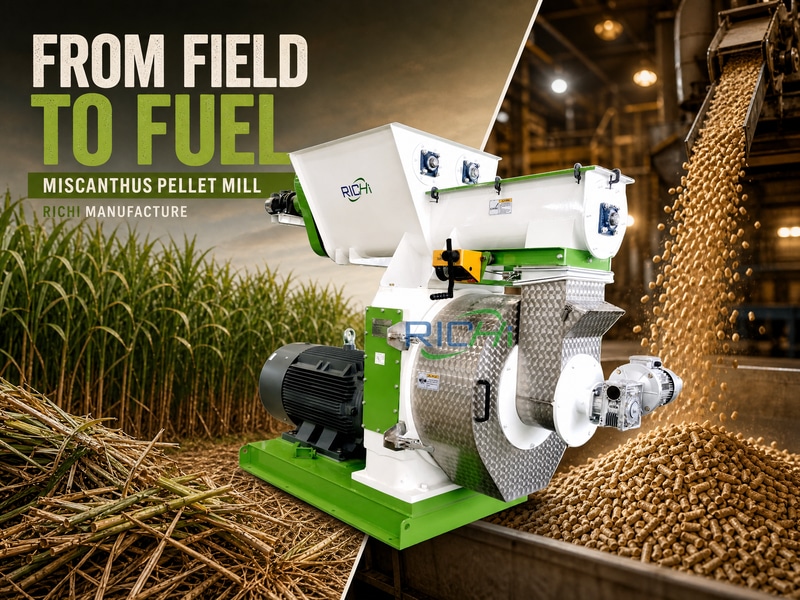
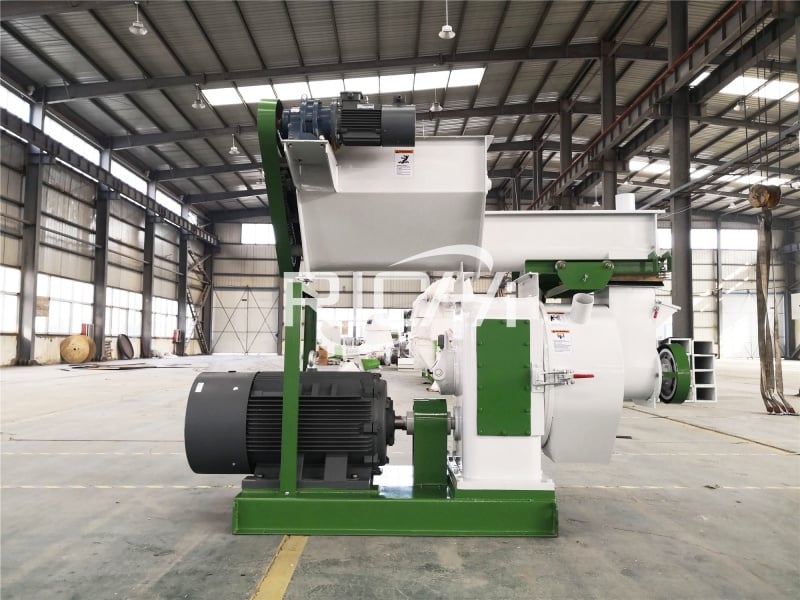
The development of pellet technology has created new possibilities for farmers, agricultural companies, and energy investors. By using a corn stalk pellet mill, businesses can transform low-value crop waste into a standardized energy product with commercial value.
The Opportunity Behind Corn Stalk Resources
The biggest advantage of corn stalks is their availability. Unlike many energy resources that require expensive extraction processes, corn stalks are naturally generated through agricultural production.
Several factors make corn stalk pellet projects attractive:
Abundant Annual Supply
Corn is one of the world’s major crops. Large planting areas create a continuous supply of stalk residues every year. This provides a reliable foundation for biomass fuel production.
Low Raw Material Acquisition Cost
Because corn stalks are agricultural leftovers, their purchase cost is often lower compared with traditional wood biomass. This gives businesses an opportunity to reduce raw material expenses.
Strong Environmental Value
Using corn stalks for fuel production helps reduce open-field burning and promotes cleaner energy utilization.
Support for Rural Development
Biomass projects can create jobs in:
- Raw material collection
- Transportation
- Equipment operation
- Pellet production
- Distribution
This helps strengthen local agricultural economies.
Understanding the Corn Stalk Pellet Manufacturing Process
Producing high-quality pellets requires a carefully designed production process. Each stage contributes to the final product quality and production efficiency.
Step 1: Raw Material Preparation
Fresh corn stalks usually have irregular shapes and high moisture levels. Before processing, they need to be collected, cleaned, and prepared.
The quality of raw materials affects:
- Pellet durability
- Production efficiency
- Energy consumption
- Equipment lifespan
Proper preparation helps ensure stable operation.
Step 2: Crushing the Biomass Material
Corn stalks contain long fibers that cannot be directly compressed into high-quality pellets. Crushing reduces particle size and improves material consistency.
A suitable crushing system helps:
- Increase compression efficiency
- Reduce pellet breakage
- Improve final appearance
Step 3: Moisture Adjustment
Moisture control is one of the most important factors in biomass pellet production.
If moisture is too high:
- Pellets may become soft
- Energy consumption increases
- Production efficiency decreases
If moisture is too low:
- Material bonding becomes difficult
- Pellet strength may decrease
Maintaining suitable moisture conditions ensures better pellet quality.
Step 4: Pelletizing and Compression
During pelletizing, biomass particles are compressed under high pressure. The natural lignin contained in plant fibers acts as a binding material, allowing particles to form strong pellets.
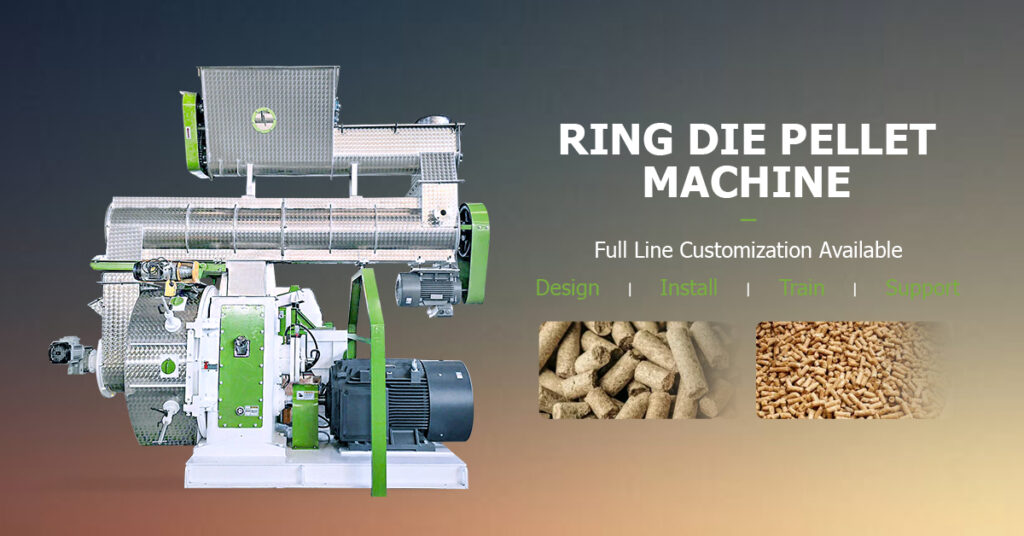
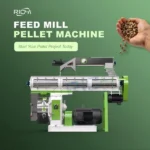
For different business scales, production capacity requirements vary. Some agricultural businesses may compare solutions such as 1-2 T/H rice straw pellet machine for sale when evaluating equipment options for similar straw-based materials.
Step 5: Cooling and Packaging
Freshly produced pellets have higher temperatures and need cooling before storage.
Cooling helps:
- Increase pellet hardness
- Reduce moisture migration
- Improve storage stability
After cooling, pellets can be packaged and transported to customers.
How to Choose the Right Pellet Equipment for Your Business
Selecting suitable equipment requires a clear understanding of business goals. The best solution depends on production requirements, raw materials, and investment plans.
Evaluate Your Production Target
Before purchasing equipment, investors should answer several questions:
- How much raw material is available annually?
- What is the expected pellet output?
- Who are the target customers?
- Is production seasonal or continuous?
A small farm-based project and an industrial fuel supplier require completely different configurations.
(Related Post: https://biomasspelletizer.com/hay-pellet-machine-for-sale/)
Consider Equipment Reliability
Biomass materials can be challenging because they contain abrasive fibers. Equipment quality directly affects maintenance frequency and operating costs.
Important considerations include:
- Machine structure
- Spare parts availability
- Energy efficiency
- Technical support
Choosing experienced suppliers can help reduce future operational risks.
Compare Different Biomass Applications
Corn stalks are only one type of agricultural residue suitable for pellet production. Similar materials include:
- Rice straw
- Wheat straw
- Sugarcane bagasse
- Cotton stalks
- Peanut shells
Different materials may require adjustments in crushing, drying, and pelletizing parameters.
The Role of Professional Biomass Equipment Suppliers
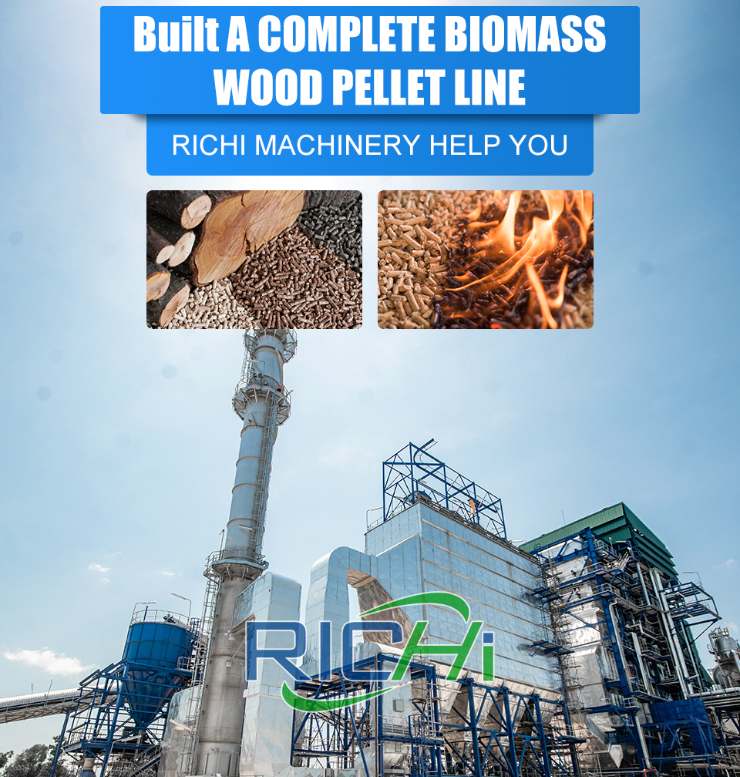
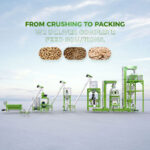
A complete biomass project requires more than a single machine. It often includes:
- Crushing equipment
- Drying systems
- Conveying equipment
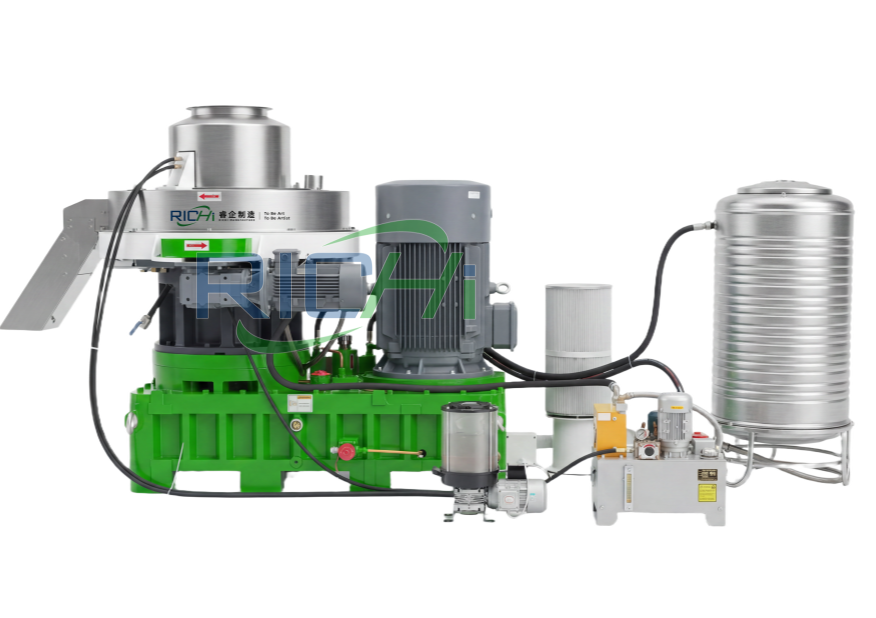
- Pelletizing machines
- Cooling systems
- Packaging systems
Professional suppliers can provide customized production solutions based on local conditions.
Many investors research Richi Pellet Mill technologies when looking for complete biomass processing systems and customized equipment recommendations.
Economic Benefits of Corn Stalk Pellet Production
The profitability of corn stalk pellet projects comes from multiple aspects.
Converting Waste into Revenue
Instead of paying for waste disposal, farmers can generate income by selling collected stalk materials.
Growing Renewable Fuel Demand
As industries seek cleaner fuel alternatives, biomass pellets are becoming increasingly attractive.
Local Energy Supply
Producing fuel locally reduces transportation costs and improves energy security.
Expanding Business Opportunities
A biomass pellet facility can develop additional services, including:
- Raw material collection
- Fuel distribution
- Contract processing
- Agricultural cooperation programs
Common Mistakes in Biomass Pellet Investment
Although the market potential is strong, poor planning can affect project performance.
Ignoring Raw Material Analysis
Different corn varieties and growing conditions create differences in stalk quality. Testing materials before investment is recommended.
Choosing Equipment Only Based on Price
The cheapest equipment may result in higher long-term costs due to maintenance and lower efficiency.
Lack of Market Planning
Production capacity should match customer demand. Producing pellets without a clear sales strategy can create inventory problems.
Future Trends of Agricultural Biomass Energy
The biomass industry is moving toward smarter and more efficient production.
Future trends include:
Intelligent Production Management
Automation systems will improve production monitoring and reduce labor requirements.
Higher Efficiency Equipment
New technologies will focus on reducing energy consumption and improving pellet output.
Integrated Agricultural Energy Systems
Future projects may combine farming, biomass collection, pellet production, and energy supply into complete systems.
Businesses interested in exploring more practical examples and technical solutions can look at this website for additional biomass industry information.
Conclusion: Creating Sustainable Value from Corn Stalks
Corn stalk pellet production represents an important opportunity to connect agriculture with renewable energy development. Instead of treating crop residues as waste, farmers and businesses can transform them into valuable fuel products.
With proper planning, suitable equipment selection, and effective market strategies, corn stalk pellet projects can provide long-term economic and environmental benefits.
As global demand for renewable energy continues to increase, agricultural biomass will become an increasingly important resource. Turning corn stalks into pellets is not only a business opportunity but also a practical step toward a more sustainable energy future.