



The livestock industry is undergoing a major transformation. With increasing demand for meat, eggs, and dairy products, farmers are paying more attention to feed quality, production efficiency, and cost control. Feed is one of the largest expenses in animal farming, which means improving feed management can directly influence business profitability.
For many small and medium-sized agricultural enterprises, relying completely on purchased commercial feed creates challenges. Feed prices can change frequently, transportation costs may increase, and farmers have limited control over nutritional formulas. As a result, establishing an independent feed manufacturing facility has become an attractive option.
A properly designed animal feed production line allows farms to process local agricultural materials into high-quality feed products while reducing long-term operating expenses. By controlling raw materials, production processes, and feed formulas, farmers can create a more stable and sustainable livestock operation.
The Growing Need for On-Farm Feed Production
In traditional farming systems, many producers focus mainly on animal breeding while purchasing finished feed from external suppliers. Although this approach is convenient, it may not always provide the best economic results, especially when farming operations expand.
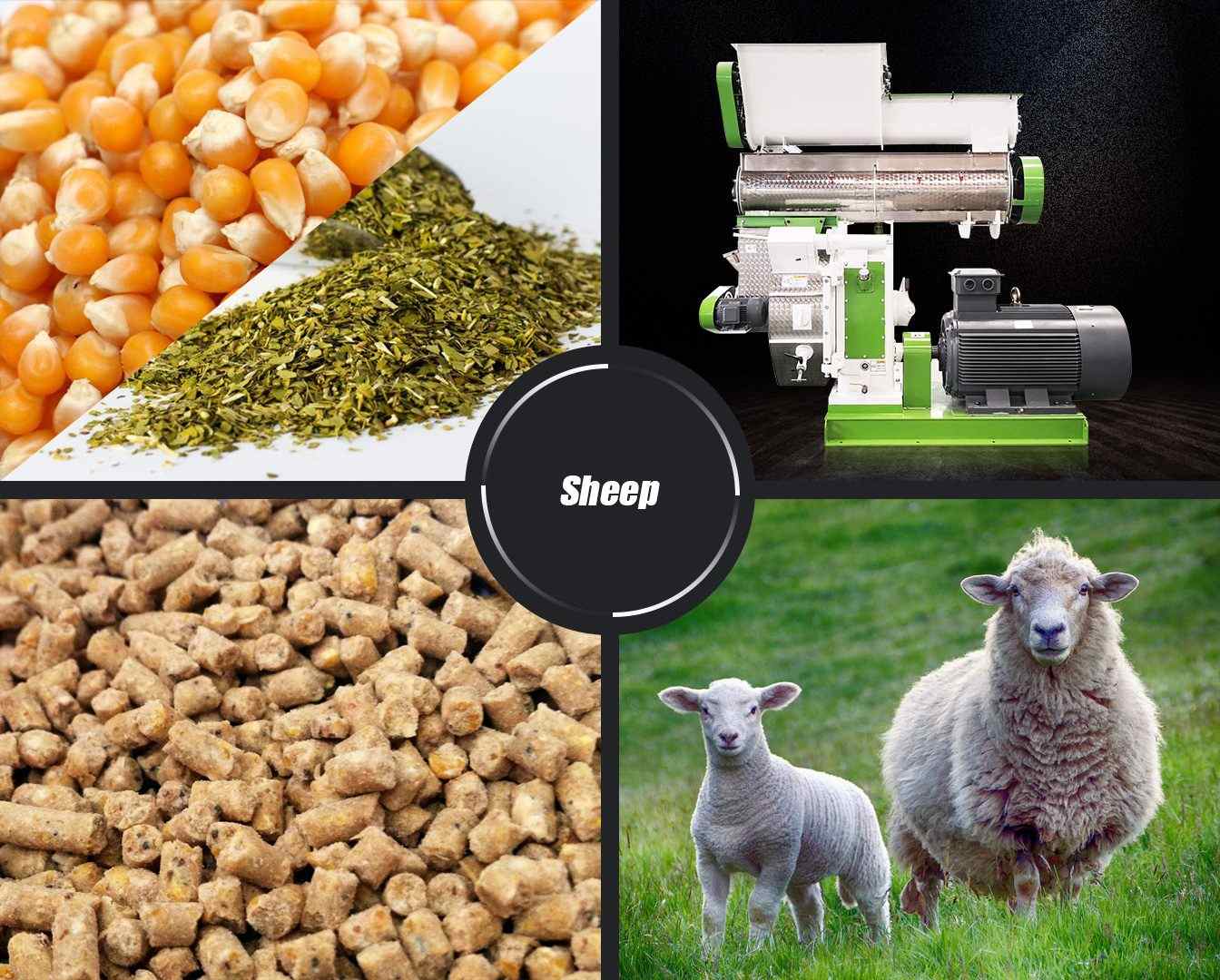
Large amounts of agricultural resources are available in many regions, including corn, wheat, soybean meal, rice bran, and other by-products. However, without suitable processing technology, these materials cannot be fully utilized.
A modern feed manufacturing system helps convert these resources into valuable animal nutrition products. This creates a complete production cycle where farmers can manage both livestock production and feed supply.
(Related Post: https://www.richipelletmill.com/animal-feed-mill-equipment-for-sale/)
The benefits include:
- Lower dependence on commercial feed suppliers
- More flexible feed formulation
- Better control of production costs
- Reduced raw material waste
- Improved feeding efficiency
For developing agricultural markets, local feed production is becoming an important way to improve competitiveness.
Selecting the Correct Feed Factory Scale
One of the most important decisions when planning a feed factory is choosing the right production capacity. Many investors make mistakes by focusing only on equipment prices without considering actual production requirements.
The ideal capacity depends on several factors:
- Number of animals being raised
- Local market demand
- Available raw materials
- Future business expansion plans
- Investment budget
For example, a medium-sized poultry farm may benefit from a 3-4 T/H chicken feed manufacturing plant for sale because it provides sufficient production capacity without requiring excessive investment.
A smaller factory can supply feed for internal farm use, while larger systems may serve multiple farms or local distributors.
Choosing a suitable production scale helps maintain efficient operation and improves return on investment.
From Raw Materials to Finished Feed Pellets
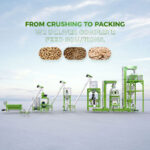
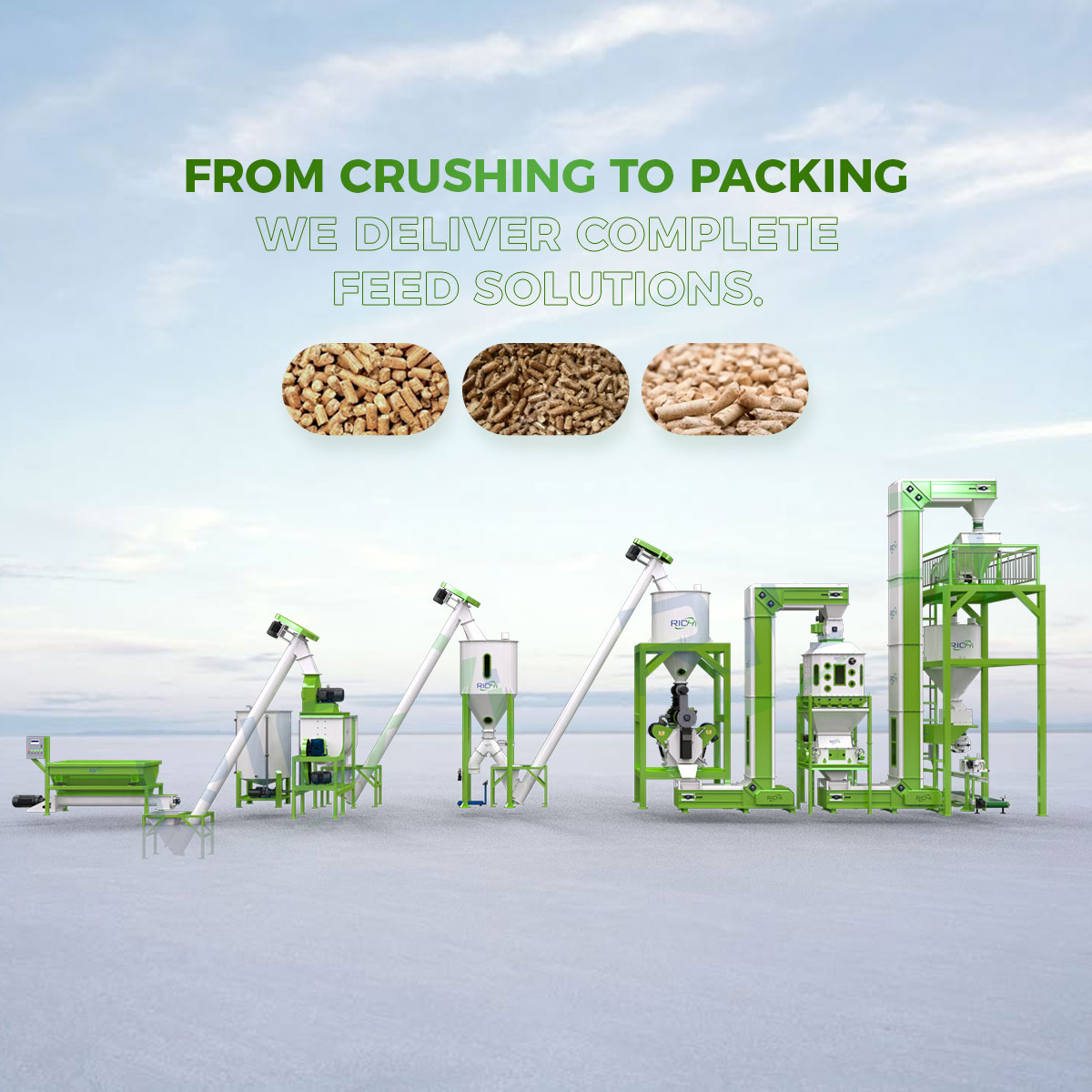
A complete feed manufacturing process includes several important stages. Each stage influences the quality of the final product.
Crushing Process
Raw materials usually require size reduction before mixing. Grinding improves the uniformity of ingredients and helps animals digest nutrients more effectively.
Different materials require different grinding methods. Corn, grains, and oilseed meals may need different particle sizes depending on the animal species and feed formula.
Mixing Process
After grinding, ingredients are accurately combined according to the formula. Proper mixing ensures that proteins, minerals, vitamins, and energy sources are evenly distributed.
Poor mixing can create nutritional differences between feed batches, which may affect animal growth performance.
Pellet Formation
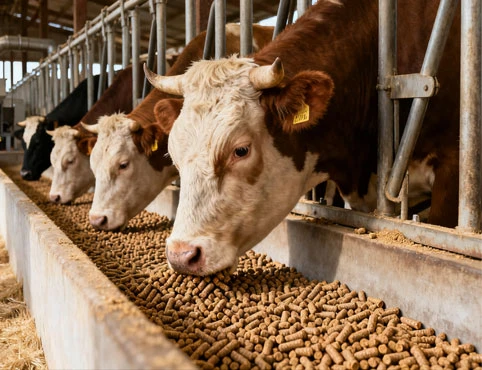
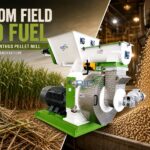
Pelletizing is one of the most important steps in feed production. During this process, loose materials are compressed into dense and easy-to-handle pellets.
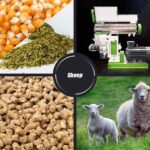
Compared with powder feed, pellets provide several advantages:
- Reduced feed waste
- Easier transportation
- Better storage performance
- Improved animal acceptance
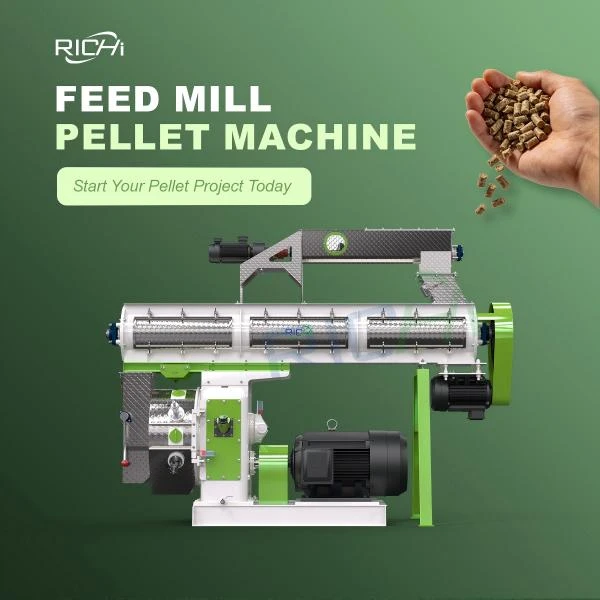
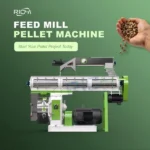
Reliable pelletizing equipment plays a key role in maintaining stable product quality.
Improving Efficiency Through Better Equipment Selection
Equipment selection directly affects production efficiency, maintenance costs, and product quality. Many new investors focus only on machine prices, but long-term operating performance is often more important.
High-quality equipment should provide:
Stable Performance
Continuous production requires machines that can operate reliably under different working conditions.
Easy Maintenance
Simple maintenance structures reduce downtime and improve factory productivity.
Energy Efficiency
Lower energy consumption helps reduce production costs and improves overall profitability.
Flexible Application
A good production system should handle different feed materials and formulas.
Experienced manufacturers usually analyze customer requirements before designing equipment solutions. Companies such as Richi Pellet Mill provide customized planning based on production goals, raw material characteristics, and factory conditions.
The Role of Technology in Modern Feed Factories
Technology is changing the way feed factories operate. Modern systems increasingly use automation, digital monitoring, and intelligent control.
Automatic systems can help manage:
- Ingredient measurement
- Production speed
- Equipment operation
- Quality monitoring
- Production records
This reduces manual errors and improves consistency.
For large-scale operations, intelligent management systems provide valuable production data. Operators can identify problems quickly and optimize daily production schedules.
Technology also allows factories to improve resource utilization and reduce unnecessary energy consumption.
How Feed Factories Improve Farm Competitiveness
As competition in the livestock industry increases, farmers need more than just basic production methods. Efficient feed management has become a key factor that separates successful agricultural businesses from traditional operations.
When farms produce their own feed, they gain greater flexibility in responding to market changes. For example, when the price of commercial feed increases, independent producers can adjust formulas according to available raw materials and maintain more stable production costs.
In addition, customized feed formulas allow farmers to better meet the nutritional requirements of different animals. Broilers, layers, pigs, cattle, and aquatic animals all have different nutritional needs. A professional production system makes it easier to adjust formulas based on animal growth stages.
This flexibility creates long-term advantages:
- Better control over feeding strategies
- More predictable production costs
- Improved animal growth performance
- Stronger market competitiveness
For agricultural enterprises planning future expansion, establishing their own feed processing capability is often a strategic investment rather than simply an equipment purchase.
Common Challenges When Building a Feed Factory
Although producing feed independently offers many benefits, investors should carefully consider several challenges before starting a project.
Understanding Local Raw Materials
Different regions have different agricultural resources. Some areas may have abundant corn and wheat supplies, while others may rely more on rice bran, soybean products, or other agricultural by-products.
A successful factory design should match local material conditions. Using available resources efficiently can significantly reduce production costs.
Balancing Investment and Production Requirements
A common mistake is choosing equipment based only on the lowest purchase price. Low-cost equipment may lead to higher maintenance expenses, unstable production, and increased downtime.
A better approach is to evaluate the complete investment value, including:
- Equipment durability
- Energy consumption
- Maintenance requirements
- Production efficiency
- Technical support
Planning for Future Growth
A feed factory should not only satisfy current demand but also consider future expansion. A flexible factory layout allows additional equipment to be added when production requirements increase.
Good planning helps businesses avoid rebuilding costs and supports continuous development.
Sustainable Development in Feed Manufacturing
Sustainability has become increasingly important in modern agriculture. Feed production is no longer only about output capacity; it is also about efficient resource utilization.
Many agricultural by-products that were previously discarded can now become valuable feed ingredients. Proper processing technology helps reduce waste and create additional economic value.
Examples of commonly used resources include:
- Corn processing residues
- Wheat by-products
- Rice bran
- Oilseed materials
- Local agricultural waste
By utilizing these materials effectively, farmers can reduce dependence on expensive imported ingredients and create more environmentally friendly production systems.
Sustainable feed manufacturing also supports the development of circular agriculture, where crop production and livestock farming work together to maximize resource efficiency.
Why Professional Planning Matters Before Investment
Building a feed factory involves many decisions, including equipment configuration, factory layout, production process design, and future expansion planning.
Professional consultation helps investors avoid common problems such as:
- Incorrect equipment selection
- Insufficient production capacity
- Poor workflow design
- Excessive energy consumption
- Difficult maintenance conditions
Before starting construction, investors should analyze their actual requirements and communicate with experienced equipment suppliers.
A detailed project evaluation should include:
- Expected daily feed output
- Types of animals being served
- Available raw materials
- Required pellet specifications
- Factory space conditions
- Future expansion expectations
This approach ensures that the final solution matches real business needs.
The Future Development Trend of Feed Manufacturing
The feed industry will continue moving toward automation, efficiency, and intelligent management. As farms become larger and market competition increases, efficient production systems will become increasingly valuable.
Future feed factories are expected to focus on:
Higher Automation Levels
More production processes will be controlled automatically, reducing labor requirements and improving accuracy.
Better Energy Management
Energy-saving equipment and optimized production processes will help reduce operational costs.
Data-Based Production Management
Digital systems will provide more information about production performance, helping managers make better decisions.
Customized Feed Solutions
More businesses will produce specialized feed products designed for specific animal species and regional market requirements.
These trends show that feed manufacturing is becoming a more technology-driven industry.
Conclusion
The development of modern livestock farming depends heavily on efficient feed production. For farms and agricultural companies, controlling feed quality and production costs is essential for long-term success.
A carefully planned production system allows businesses to transform local agricultural resources into valuable feed products while improving operational stability.
Whether starting a small farm-based facility or developing a commercial feed factory, investors should focus on suitable capacity selection, reliable equipment, and professional production planning.
Modern feed processing technology provides opportunities for businesses to improve efficiency, reduce costs, and build stronger agricultural operations. For those interested in understanding more about feed manufacturing strategies, helpful resources can provide additional knowledge about equipment selection, industry trends, and production planning.
As the global demand for animal products continues to rise, efficient feed manufacturing will remain a fundamental part of sustainable agricultural development. A well-designed factory is not only a production facility but also a foundation for future business growth.