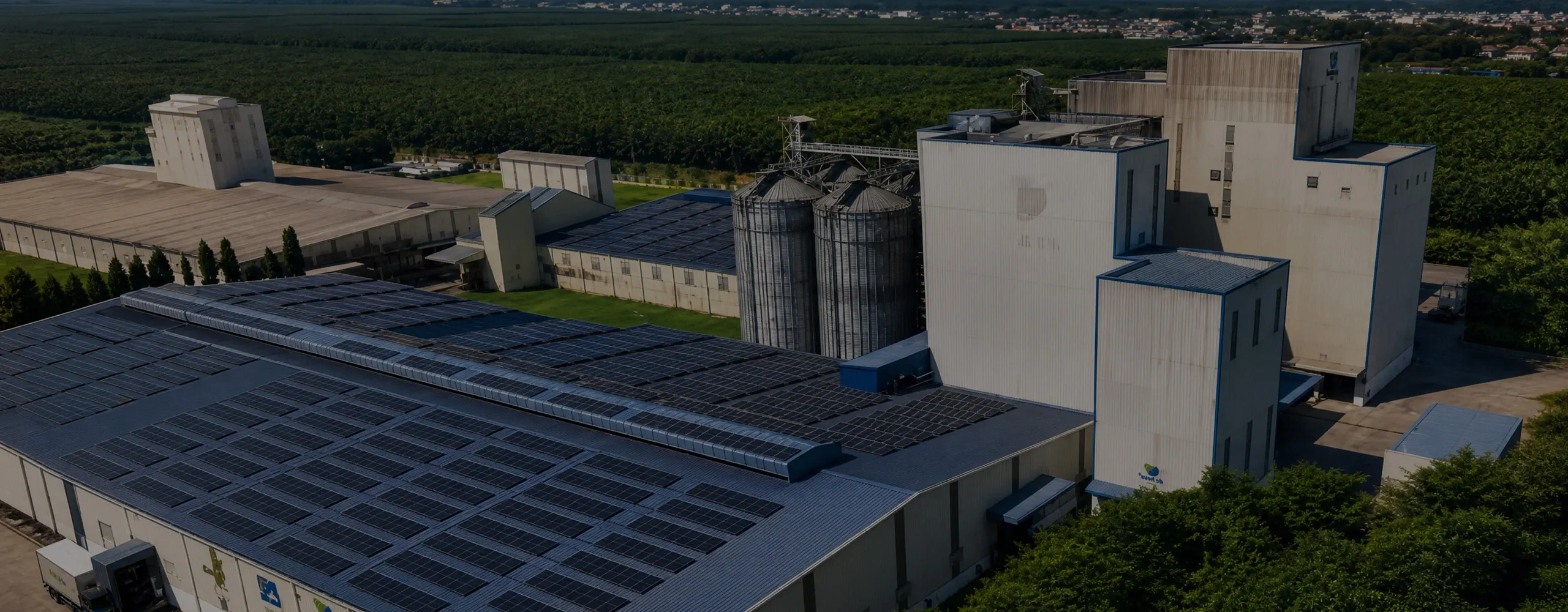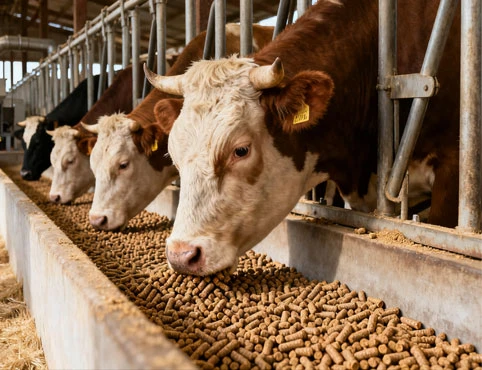




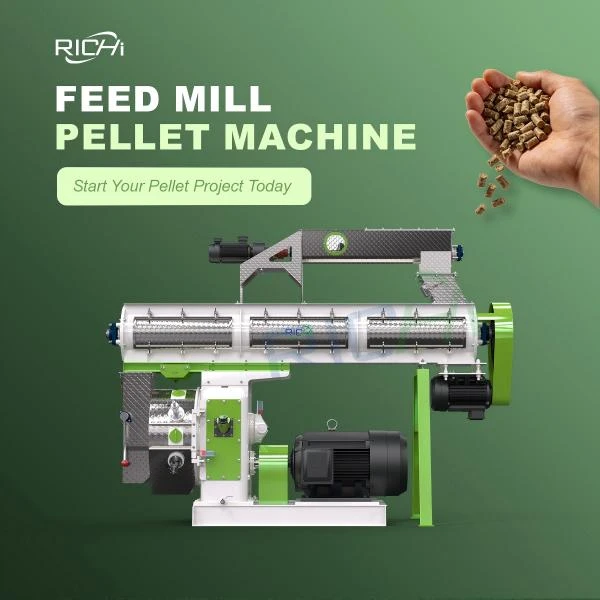
Animal feed plays a fundamental role in modern livestock farming. The quality, nutritional balance, and physical form of feed directly affect animal growth, health, productivity, and farm profitability. As the livestock industry continues to develop, farmers and feed manufacturers are paying more attention to improving feed efficiency, reducing production costs, and producing more consistent feed products.
Animal feed pellet manufacturing has become one of the most effective methods for improving feed quality and management. Compared with traditional powder feed or manually mixed feed, pellet feed offers better nutrient distribution, easier storage, reduced waste, and improved feeding efficiency. Through mechanical processing, various raw materials such as grains, forage, protein sources, minerals, and agricultural byproducts can be transformed into compact pellets suitable for different livestock species.
The animal feed pellet manufacturing process involves several important stages, including raw material receiving, cleaning, crushing, batching, mixing, conditioning, pelletizing, cooling, screening, and packaging. Each stage contributes to the final quality and performance of the feed pellets.
Modern livestock farming requires specialized equipment designed for different animals and production goals. For example, a goat feed pellet making machine is developed to process goat feed formulas containing grass, alfalfa, corn, soybean meal, wheat bran, and other nutritional ingredients into uniform pellets that support efficient goat production.
Understanding the complete animal feed pellet manufacturing process helps farmers, feed producers, and investors establish efficient feed production systems and produce high-quality feed products.
1. Raw Material Selection and Receiving
The first stage of animal feed pellet manufacturing is selecting and receiving suitable raw materials. The quality of raw materials determines the nutritional value, safety, and performance of the final feed pellets.
Common animal feed ingredients include:
- Corn
- Wheat
- Barley
- Soybean meal
- Fish meal
- Rice bran
- Wheat bran
- Alfalfa
- Grass meal
- Mineral additives
- Vitamin supplements
Different livestock species require different feed formulas.
For example:
- Cattle and goats require sufficient fiber for healthy digestion.
- Poultry requires balanced protein and energy levels.
- Pigs need highly digestible feed with appropriate amino acids.
- Sheep require feed that supports growth and rumen function.
Before production begins, raw materials should be inspected to ensure they meet quality standards. Important factors include:
- Nutritional content
- Moisture level
- Cleanliness
- Storage condition
- Absence of contaminants
Poor-quality raw materials may reduce feed performance and affect animal health.
2. Raw Material Cleaning Process
After receiving, raw materials enter the cleaning stage. During transportation and storage, materials may contain impurities such as stones, metal particles, dust, or other foreign objects.
Cleaning equipment removes these unwanted materials before processing.
Common cleaning equipment includes:
- Vibrating screens
- Magnetic separators
- Cleaning sieves
The cleaning process provides several benefits:
Protecting Equipment
Removing hard materials prevents damage to crushers, mixers, and pellet machines.
Improving Feed Safety
Clean ingredients reduce the risk of contamination.
Enhancing Pellet Quality
Removing impurities helps produce more uniform pellets.
A reliable cleaning system is especially important for large-scale feed factories operating continuously.
3. Crushing and Grinding of Feed Ingredients
After cleaning, many feed ingredients need to be crushed into smaller particles.
Grinding is an essential step because particle size affects:
- Mixing uniformity
- Pellet quality
- Digestibility
- Production efficiency
A hammer mill is commonly used for crushing materials such as:
- Corn
- Wheat
- Grain products
- Forage materials
The crushing process breaks large particles into smaller and more uniform sizes.
Benefits of proper grinding include:
Better Nutrient Distribution
Fine particles mix more evenly with other ingredients.
Improved Pellet Formation
Smaller particles have better contact during compression.
Higher Feed Digestibility
Animals can digest processed feed more efficiently.
The particle size should be adjusted according to animal species and feed requirements.
4. Feed Formula Design and Batching
Feed formula design is one of the most important steps in animal feed production. Different animals require different nutrient combinations to achieve optimal growth and production.
A scientific feed formula considers:
- Animal species
- Growth stage
- Production purpose
- Nutritional requirements
- Raw material availability
For example, a goat feed formula may contain:
- Grass or alfalfa meal for fiber
- Corn for energy
- Soybean meal for protein
- Minerals for healthy development
A goat feed pellet making machine can process these ingredients after proper formulation to create balanced feed pellets suitable for goats.
https://richipelletizer.com/goat-feed-pellet-making-machine
The batching system accurately measures each ingredient according to the formula. Automatic batching improves:
- Production accuracy
- Feed consistency
- Labor efficiency
Precise ingredient measurement ensures every batch has the same nutritional value.
5. Mixing Process
After batching, all ingredients enter the mixing stage.
The purpose of mixing is to create a uniform feed mixture where all nutrients are evenly distributed.
A high-quality mixer ensures:
- Consistent ingredient distribution
- Stable feed quality
- Accurate nutrient delivery
The mixing process may include:
- Main ingredients
- Protein sources
- Minerals
- Vitamins
- Additives
Poor mixing can cause uneven nutrition, meaning some animals may receive too much or too little of certain nutrients.
Modern feed factories often use horizontal mixers or vertical mixers equipped with advanced systems to achieve efficient and uniform mixing.
6. Conditioning Before Pelletizing
Conditioning is an important preparation stage before pellet production.
During conditioning, steam and moisture are added to the feed mixture to improve pellet formation.
The conditioning process helps:
- Soften feed particles
- Improve binding ability
- Increase pellet durability
- Reduce energy consumption during pelletizing
Heat and moisture activate natural binders in feed ingredients, allowing particles to stick together more effectively.
Proper conditioning improves the performance of the pellet machine and produces stronger pellets.
The conditioning parameters depend on:
- Feed formula
- Ingredient characteristics
- Pellet size requirements
- Animal feeding purpose
7. Pelletizing Process
Pelletizing is the core stage of animal feed pellet manufacturing.
During this process, the conditioned feed mixture is compressed into cylindrical pellets.
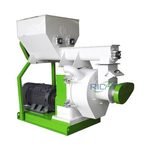
The main equipment used is the feed pellet machine. The machine uses rollers and dies to apply pressure, forcing the material through die holes.
The pelletizing process includes:
- Feed material enters the pelletizing chamber.
- Rollers compress the material against the die.
- Feed passes through die holes.
- Pellets are formed.
- A cutting system adjusts pellet length.
The pelletizing process improves feed quality by creating:
- Uniform size
- Higher density
- Better durability
- Easier handling
Different animals require different pellet sizes. For example:
- Small pellets are suitable for young animals.
- Larger pellets may be preferred for mature livestock.
Specialized machines such as the goat feed pellet making machine allow producers to manufacture pellets according to goat feeding requirements.
8. Cooling of Fresh Feed Pellets
Fresh pellets leaving the pellet machine have high temperatures due to friction during compression. They are also softer and more vulnerable to damage.
Cooling is necessary before storage and packaging.
A pellet cooler reduces:
- Temperature
- Moisture content
The cooling process improves:
Pellet Hardness
Cool pellets become stronger and more resistant to breakage.
Storage Stability
Reduced moisture prevents mold growth.
Transportation Performance
Strong pellets produce less dust during handling.
A properly designed cooling system ensures that pellets maintain their quality after production.
9. Screening and Quality Control
After cooling, feed pellets are screened to separate qualified products from broken pellets and powder.
The screening process removes:
- Fine particles
- Broken pellets
- Oversized pellets
Qualified pellets continue to packaging, while unsuitable materials may be recycled into the production process.
Quality control tests commonly include:
Pellet Durability
Measures resistance to breakage during handling.
Moisture Content
Ensures safe storage.
Pellet Size
Confirms product specifications.
Nutritional Analysis
Verifies feed formula accuracy.
Maintaining strict quality control helps feed manufacturers provide reliable products to farmers.
10. Packaging and Storage
The final stage of feed pellet manufacturing is packaging.
After screening, finished pellets are transported to packaging machines.
Common packaging methods include:
- Small bags for farms
- Large bags for commercial users
- Bulk storage systems
Proper packaging protects feed from:
- Moisture
- Contamination
- Nutrient loss
Storage facilities should provide:
- Dry conditions
- Good ventilation
- Protection from pests
Good storage management ensures feed remains fresh and nutritious until use.
11. Complete Equipment for Animal Feed Pellet Manufacturing
A complete animal feed production line usually includes:
- Raw material cleaning system
- Crusher
- Batching system
- Mixer
- Conditioner
- Pellet machine
- Cooler
- Screening machine
- Packaging machine
The equipment configuration depends on:
- Production capacity
- Feed type
- Animal species
- Investment requirements
Small farms may use compact feed pellet systems, while commercial feed factories require fully automated production lines.
For goat feed production, a suitable goat feed pellet making machine can be integrated into a complete production system to efficiently produce high-quality goat feed pellets.
12. Benefits of Animal Feed Pellet Manufacturing
Animal feed pellet manufacturing provides many advantages compared with traditional feeding methods.
Improved Feed Utilization
Animals receive balanced nutrients in every pellet.
Reduced Feed Waste
Pellets are easier to handle and less likely to be lost.
Better Storage Efficiency
Compact pellets require less storage space.
Easier Transportation
Higher density reduces logistics costs.
Improved Farm Management
Standardized feed simplifies feeding operations.
These benefits make pellet feed increasingly popular among modern livestock producers.
13. How Feed Pellet Manufacturing Supports Sustainable Farming
Sustainable livestock farming requires efficient use of resources and reduced environmental impact.
Feed pellet manufacturing contributes to sustainability by:
Utilizing Agricultural Resources
Crop residues and byproducts can be converted into valuable feed ingredients.
Reducing Feed Loss
Improved feed utilization reduces resource waste.
Improving Animal Productivity
Better nutrition increases production efficiency.
Reducing Transportation Requirements
Dense pellets lower transportation energy consumption.
By improving feed efficiency, pellet manufacturing supports more sustainable agricultural development.
14. Future Development of Animal Feed Pellet Manufacturing
The animal feed industry continues to develop toward higher efficiency, automation, and precision nutrition.
Future trends include:
Smart Feed Production
Automation and digital control systems will improve manufacturing accuracy.
Customized Feed Solutions
Feed formulas will become more specialized for different animals.
Energy-Saving Equipment
New pellet machines will reduce operating costs.
Greater Use of Alternative Ingredients
More agricultural byproducts will be utilized in feed production.
Advanced pellet manufacturing technology will continue helping farmers improve productivity and profitability.
Conclusion
The animal feed pellet manufacturing process involves multiple stages, including raw material preparation, cleaning, grinding, batching, mixing, conditioning, pelletizing, cooling, screening, and packaging. Each stage plays an important role in producing high-quality feed pellets that support efficient livestock production.
Compared with traditional feed methods, pellet manufacturing improves nutrient utilization, reduces waste, simplifies storage, and enhances feeding management. Specialized equipment such as the goat feed pellet making machine allows producers to create balanced and durable feed pellets that meet the nutritional needs of goats.
As livestock farming continues to focus on efficiency, sustainability, and cost control, animal feed pellet manufacturing will remain an essential technology for improving farm productivity and supporting the future development of modern agriculture.