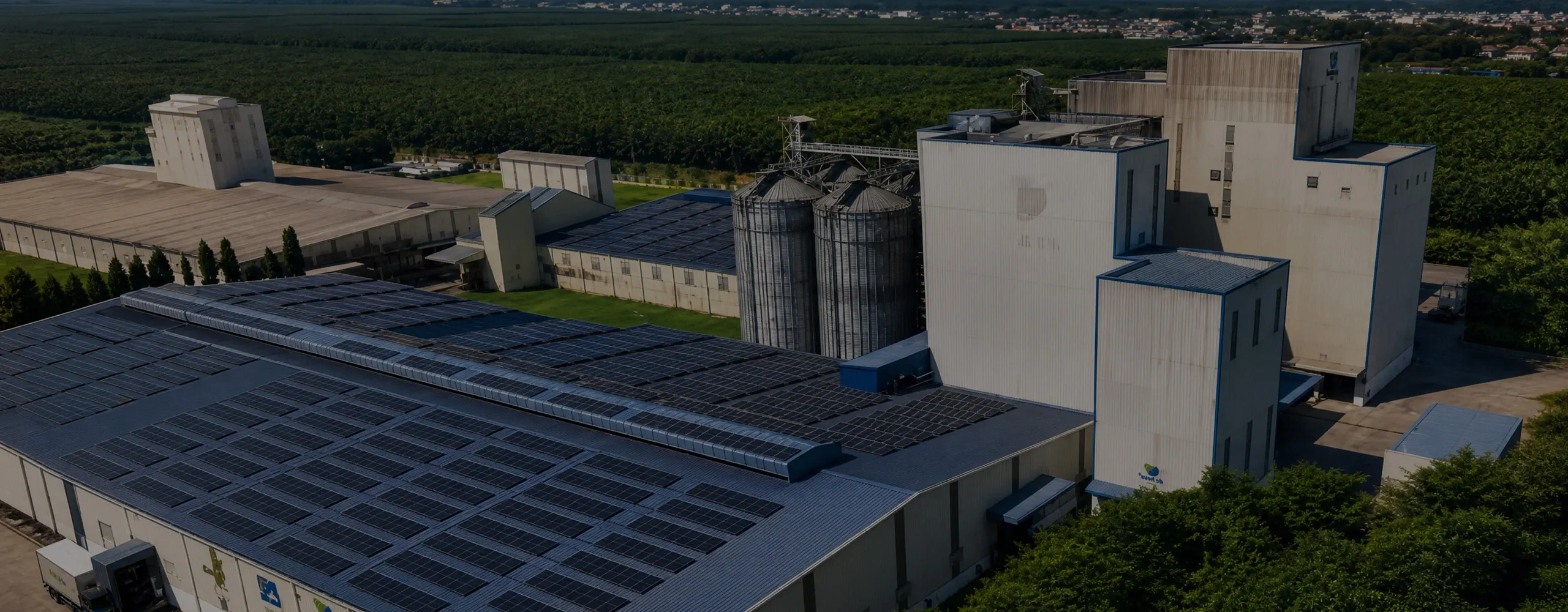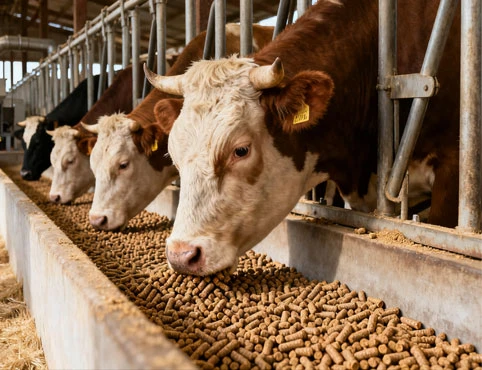




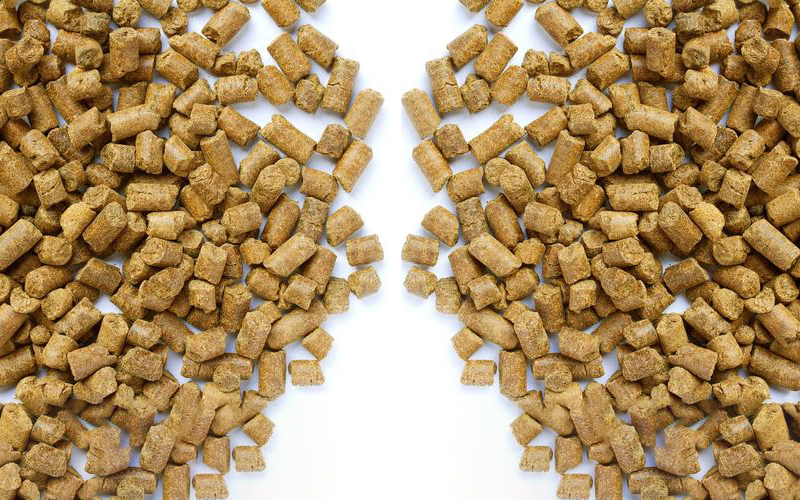
The animal feed industry has undergone a major transformation over the past decades. Traditional feeding methods based on raw grains, chopped forage, or loosely mixed rations are increasingly being replaced by scientifically formulated pellet feed. This shift is driven by the need for higher efficiency, better animal health, and more standardized nutrition delivery.
At the center of this transformation is the animal feed pellet manufacturing process—a highly controlled sequence of mechanical and thermal operations that converts raw agricultural materials into uniform, nutrient-balanced pellets.
This article provides a comprehensive explanation of how the animal feed pellet manufacturing process works, what equipment is involved, and why it has become essential for modern livestock production.
1. Overview of Animal Feed Pellet Manufacturing
Animal feed pellet manufacturing is the industrial process of converting raw feed ingredients into dense, cylindrical pellets. These pellets are designed to meet the nutritional requirements of different livestock such as poultry, cattle, sheep, pigs, fish, and rabbits.
The process ensures:
- Uniform nutrient distribution
- Improved digestibility
- Reduced feed waste
- Easier storage and transportation
- Enhanced feed safety and hygiene
Unlike traditional feed preparation, pellet manufacturing involves precision engineering and controlled processing conditions to achieve consistent quality.
2. Raw Materials Used in Feed Pellet Production
The first stage of the process involves selecting and preparing raw materials. These ingredients vary depending on animal species, production goals, and regional availability.
Common raw materials include:
- Corn and maize meal (energy source)
- Soybean meal (protein source)
- Wheat bran and rice bran (fiber and binding agents)
- Fish meal or bone meal (animal protein supplements)
- Alfalfa, grass, and straw (roughage for ruminants)
- Vitamins and mineral premixes
- Oil and molasses (energy and palatability enhancers)
The quality of raw materials directly affects the final pellet quality, making ingredient selection a critical step in the manufacturing process.(you can look here)
3. Grinding Process: Size Reduction of Raw Materials
Before mixing, raw materials must be ground into fine particles. This step ensures better blending and improves pellet formation.
A hammer mill or grinding machine is commonly used to:
- Break down large grains and fiber materials
- Achieve uniform particle size
- Improve digestibility for animals
- Increase surface area for better mixing
Different animals require different particle sizes. For example, poultry feed requires finer grinding compared to cattle feed, which can tolerate coarser particles.
4. Ingredient Mixing: Ensuring Nutritional Uniformity
After grinding, all ingredients are thoroughly mixed in a feed mixer. This step is essential to ensure that every pellet contains the correct balance of nutrients.
Mixing systems typically include:
- Horizontal ribbon mixers
- Vertical mixers
- Batch mixing systems
During this stage:
- Micro-ingredients (vitamins, minerals) are evenly distributed
- Protein, energy, and fiber components are blended
- Liquid additives like oils or molasses may be added
Proper mixing is critical because uneven distribution can lead to nutritional deficiencies or poor animal performance.
5. Conditioning Process: Heat and Moisture Treatment
Conditioning is one of the most important steps in the animal feed pellet manufacturing process. The mixed feed is exposed to steam, moisture, and heat inside a conditioner.
This step helps:
- Improve starch gelatinization
- Increase pellet durability
- Enhance digestibility
- Kill harmful bacteria and pathogens
- Improve binding properties of feed particles
The temperature and moisture level are carefully controlled depending on the feed type. For example, fish feed and poultry feed often require higher conditioning temperatures than ruminant feed.
6. Pelletizing Process: Forming the Feed Pellets
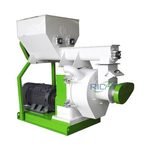
The core stage of the entire process is pelletizing. In this step, conditioned feed is forced through a die under high pressure using a pellet mill.
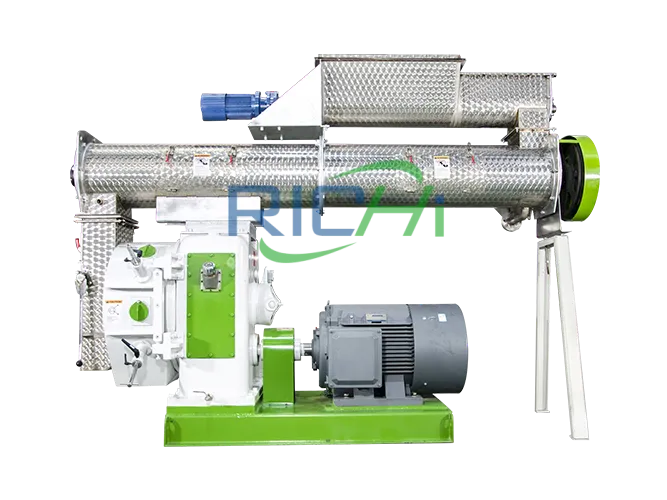
How it works:
- Feed enters the pellet chamber
- Rollers press the material against a rotating die
- Material is compressed through die holes
- Cylindrical pellets are formed
- Pellets are cut to desired length using knives
The pellet size can be adjusted depending on the animal species. Small pellets are used for poultry and fish, while larger pellets are suitable for cattle and sheep.
Role of specialized equipment
Different machines are used depending on production requirements. For example, a rabbit feed pellet making machine is specifically designed to produce small, uniform pellets suitable for rabbits. These machines ensure:
- Fine and consistent pellet diameter
- High fiber retention for rabbit digestion
- Minimal dust production
- Smooth pellet texture to prevent feeding difficulties
Rabbit feed requires a careful balance of fiber and nutrients, and pelletizing ensures that this balance is maintained in every bite.
https://pelletisingmachine.com/rabbit-feed-pellet-making-machine
7. Cooling Process: Stabilizing the Pellets
Freshly produced pellets are hot and contain high moisture. If not properly cooled, they can break easily or develop mold during storage.
A counterflow cooler is typically used to:
- Reduce pellet temperature
- Lower moisture content
- Increase pellet hardness
- Improve storage stability
Cooling is essential for maintaining pellet quality and ensuring long shelf life.
8. Screening and Separation
After cooling, pellets pass through a screening system. This step removes:
- Broken pellets
- Excess fines and dust
- Oversized particles
Only uniform, high-quality pellets proceed to packaging. The rejected materials are usually recycled back into the production line.
9. Packaging and Storage
The final stage of the animal feed pellet manufacturing process is packaging. Pellets are weighed, bagged, and sealed for storage or distribution.
Packaging systems may include:
- Automatic weighing machines
- Bagging machines
- Sealing and stitching systems
- Bulk storage silos
Proper packaging ensures:
- Protection from moisture
- Prevention of contamination
- Ease of transportation
- Long-term storage stability
10. Types of Animal Feed Pellets Produced
Different animals require different pellet formulations. The manufacturing process is adjusted accordingly.
Poultry feed pellets
- High energy and protein content
- Small diameter pellets or crumbles
Cattle and sheep feed pellets
- High fiber content
- Larger pellet size
Fish feed pellets
- Floating or sinking types
- High protein and fat content
Rabbit feed pellets
- Fiber-rich formulation
- Small, uniform size produced using a rabbit feed pellet making machine
- Designed for efficient digestion and dental health
Each formulation requires precise control during manufacturing to meet species-specific needs.
11. Quality Control in Pellet Manufacturing
Quality assurance is essential in feed production. Manufacturers implement strict testing procedures at every stage.
Key quality control parameters include:
- Moisture content
- Pellet durability index (PDI)
- Nutrient composition
- Bulk density
- Contamination checks
Advanced feed plants use automated sensors and digital monitoring systems to ensure consistent quality.
12. Advantages of the Pellet Manufacturing Process
The animal feed pellet manufacturing process offers numerous benefits:
1. Improved feed efficiency
Animals absorb nutrients more effectively from pellets.
2. Reduced feed waste
Pellets minimize selective feeding and spillage.
3. Better hygiene and safety
High temperature conditioning reduces pathogens.
4. Easier storage and transport
Pellets are compact and durable.
5. Customized nutrition
Formulas can be adjusted for specific animal needs.
13. Challenges in Feed Pellet Production
Despite its advantages, the process also presents challenges:
- High initial equipment investment
- Energy consumption during grinding and conditioning
- Need for skilled operators
- Raw material price fluctuations
However, the long-term benefits often outweigh these challenges, especially for commercial-scale operations.
14. Technological Advancements in Pellet Manufacturing
Modern feed pellet plants are becoming increasingly automated and intelligent. Innovations include:
- PLC-controlled production systems
- Real-time monitoring of temperature and moisture
- Energy-efficient pellet mills
- Integrated production lines with minimal manual intervention
These advancements improve productivity and reduce operational costs.
15. Environmental Impact of Pellet Manufacturing
Feed pellet production also contributes to environmental sustainability:
- Utilization of agricultural by-products
- Reduced feed wastage
- Improved feed conversion efficiency reduces resource consumption
- Lower greenhouse gas emissions per unit of animal product
This makes pellet manufacturing a key component of sustainable livestock farming.
Conclusion
The animal feed pellet manufacturing process is a highly structured and efficient system that transforms raw agricultural materials into scientifically balanced feed pellets. Through steps such as grinding, mixing, conditioning, pelletizing, cooling, and packaging, the process ensures high-quality nutrition delivery for a wide range of livestock.
Specialized equipment, including the rabbit feed pellet machine, highlights how modern technology allows feed producers to tailor solutions for specific animal needs, ensuring optimal growth, health, and productivity.
As global demand for animal protein continues to rise, understanding and optimizing the feed pellet manufacturing process will remain essential for the future of efficient and sustainable agriculture.