



One of the biggest challenges facing biomass producers is raw material diversity.
Unlike traditional manufacturing industries that rely on standardized inputs, biomass pellet production often depends on whatever agricultural or forestry residues are available locally. In one region, sawdust may be abundant. In another, sunflower shells, rice husks, wheat straw, bamboo waste, or palm fiber may dominate the market.
This variability creates an important question for investors:
Can one production system efficiently process different biomass materials without sacrificing pellet quality?
The answer increasingly lies in modern vertical pelletizing technology. Today, advanced equipment designs allow manufacturers to process a broader range of feedstocks than ever before while maintaining consistent output.
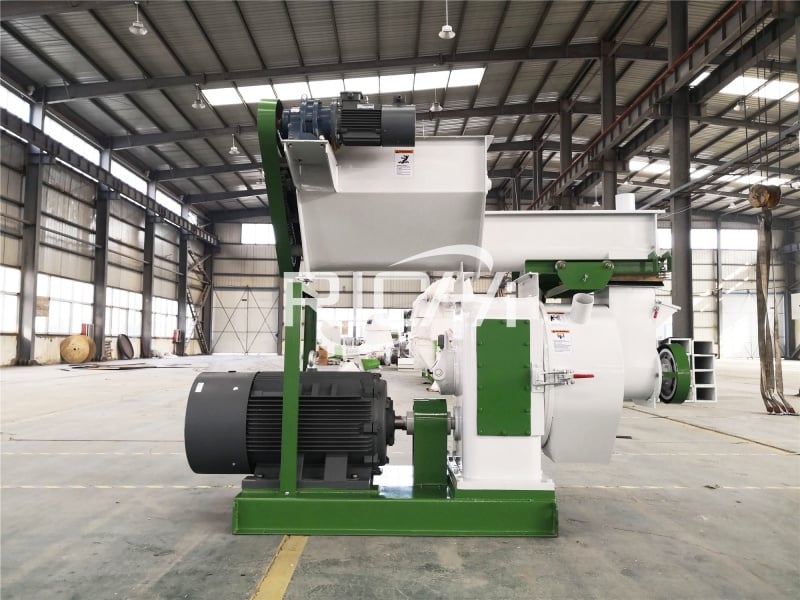
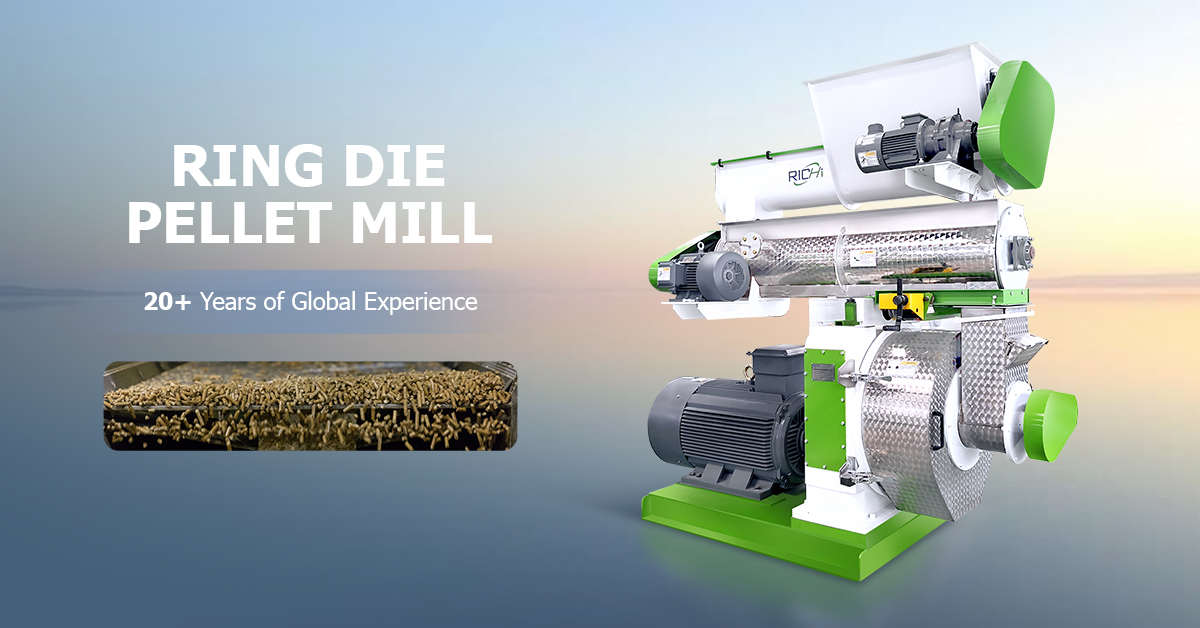
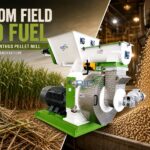
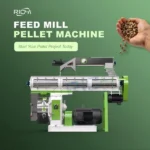
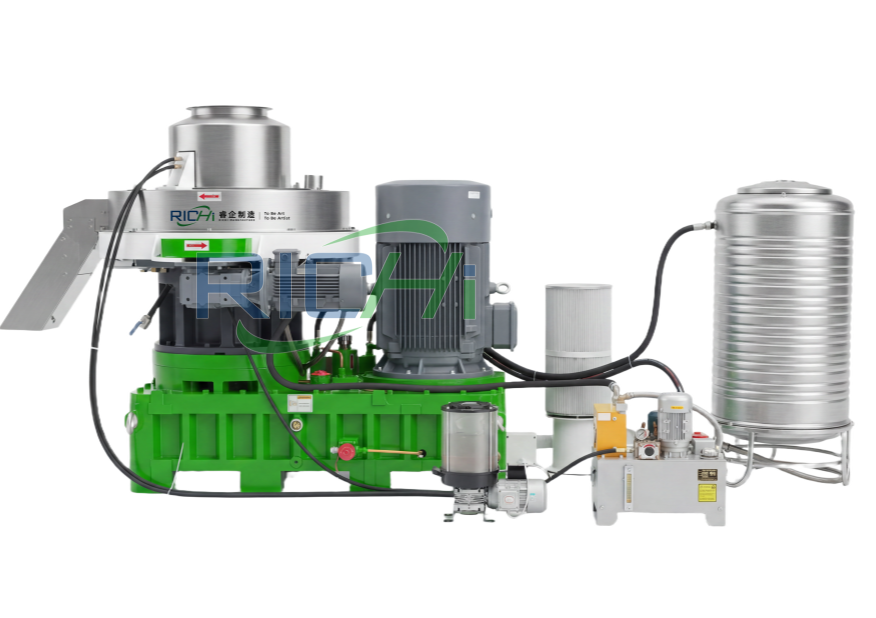
Among the most flexible solutions currently available is the Vertical Biomass Pelletizer, which has gained popularity among biomass fuel producers due to its adaptability and operational stability.
Why Raw Material Flexibility Matters More Than Ever
Biomass businesses operate in highly dynamic markets.
Raw material prices fluctuate seasonally.
Weather conditions affect harvest volumes.
Transportation costs influence sourcing decisions.
Export demand can suddenly increase or decrease.
For these reasons, producers who rely on a single feedstock often face greater risk than those capable of processing multiple biomass resources.
Flexible production systems offer several advantages:
- Reduced dependence on one supplier
- Lower raw material costs
- Better utilization of seasonal resources
- Improved market competitiveness
- Greater production stability
The ability to switch between materials provides a significant strategic advantage in today’s renewable energy sector.
Understanding the Challenges of Different Biomass Materials
Not all biomass behaves the same way during pellet production.
Some materials contain high lignin content, which naturally assists pellet formation.
Others are highly fibrous and difficult to compress.
Still others contain abrasive particles that accelerate component wear.
For example:
Wood Residues
Wood generally produces durable pellets but may require higher compression forces.
Rice Husks
Rice husks contain silica, increasing equipment wear.
Wheat Straw
Straw often presents feeding challenges because of its fibrous structure.
Sunflower Shells
Sunflower shells offer excellent energy value but require appropriate moisture control.
Many investors considering a small sunflower shell pellet machine begin by testing regional feedstock availability before expanding production.
How Vertical Designs Improve Material Handling
Traditional pellet mills frequently encounter feeding problems when processing lightweight biomass.
Materials may bridge inside hoppers.
Feeding rates become inconsistent.
Production efficiency declines.
Vertical systems address these challenges by allowing gravity to assist material movement.
Benefits include:
Continuous Material Flow
Raw materials enter the compression zone more naturally.
Better Chamber Distribution
Material spreads more evenly across the die surface.
Lower Risk of Blockages
Reduced mechanical complexity improves operational stability.
Consistent Compression
Uniform feeding contributes to higher pellet quality.
For producers processing multiple biomass types, these advantages can significantly improve productivity.
The Role of Die Technology in Pellet Quality
Many discussions focus on motors and capacity ratings, but die design remains one of the most critical components of any pelletizing system.
The die determines:
- Pellet diameter
- Compression ratio
- Material retention time
- Density characteristics
- Production efficiency
Different feedstocks often require different die configurations.
For example:
Wood materials generally require higher compression ratios.
Agricultural residues frequently perform better with moderate compression settings.
Modern biomass facilities often maintain several die configurations to optimize performance across different raw materials.
This flexibility contributes directly to production efficiency and product consistency.
Why Production Efficiency Impacts Profitability
Every pellet producer aims to maximize output while minimizing operating costs.
Efficiency affects profitability in several ways.
Lower Energy Consumption
Efficient equipment converts more electricity into productive work.
Reduced Downtime
Stable operation minimizes production interruptions.
Improved Labor Productivity
Automation reduces manual intervention.
Higher Throughput
More pellets can be produced within the same operating period.
Even small efficiency improvements can generate significant financial benefits over the life of a biomass project.
This is why many operators prioritize performance rather than focusing exclusively on purchase price.
Sunflower Shell Pellets Continue to Gain Market Attention
The sunflower processing industry generates enormous quantities of shells each year.
Historically viewed as waste, these shells now represent a valuable biomass resource.
Advantages include:
- Renewable origin
- Consistent supply
- Favorable heating value
- Low processing costs
- Strong market demand
As production scales increase, many manufacturers transition from pilot projects to larger facilities utilizing a 10 tph sunflower shell pellet production line.
Such facilities can support industrial customers, district heating systems, and export markets.
Key Equipment in a Modern Biomass Facility
Successful pellet production depends on more than a pellet mill alone.
A complete facility typically includes:
Raw Material Storage
Ensures continuous production.
Size Reduction Equipment
Provides uniform particle dimensions.
Drying Systems
Adjust moisture levels.
Pelletizing Equipment
Converts raw material into pellets.
Cooling Systems
Stabilize finished pellets.
Screening Equipment
Removes fines and broken particles.
Packaging Solutions
Prepare products for storage or transportation.
When these systems operate together efficiently, producers can achieve superior product quality and profitability.
Selecting the Right Technology Partner
Equipment selection should consider more than machine specifications.
An experienced supplier provides valuable support throughout the project lifecycle.
Important factors include:
- Engineering expertise
- Material testing capabilities
- Installation assistance
- Operator training
- Spare parts availability
- Technical support
Many project developers work with established manufacturers such as Richi Pellet Mill because of their extensive experience across different biomass applications.
Reliable support often proves just as important as machine performance.
Common Mistakes Made by New Producers
Several recurring mistakes affect project success.
Ignoring Raw Material Analysis
Feedstock characteristics directly influence pellet quality.
Underestimating Storage Requirements
Biomass materials require adequate storage capacity.
Purchasing Oversized Equipment
Excess capacity may increase costs unnecessarily.
Neglecting Maintenance Planning
Preventive maintenance improves long-term reliability.
Focusing Solely on Initial Investment
Lifetime operating costs often exceed purchase costs.
Understanding these factors helps investors build more sustainable businesses.
The Future of Biomass Manufacturing
The biomass sector continues to evolve rapidly.
Emerging trends include:
- Digital monitoring systems
- Predictive maintenance technologies
- Automated quality control
- Integrated energy management
- Expanded feedstock utilization
These innovations will further improve production efficiency and operational reliability.
Industry professionals seeking additional technical resources often go to website references that provide detailed project examples, market reports, and operational case studies.
Likewise, many operators regularly check my source materials when evaluating equipment performance and production strategies.
Conclusion
Biomass pellet production has become a sophisticated industrial process capable of transforming agricultural and forestry residues into valuable renewable fuel.
Success depends not only on equipment capacity but also on flexibility, efficiency, and long-term operational planning.
The Vertical Biomass Pelletizer provides an effective solution for processing diverse feedstocks while maintaining stable production and pellet quality. As renewable energy demand continues to grow worldwide, producers equipped with adaptable technology will remain well-positioned to capture emerging market opportunities.
Related Post:https://pelletizerequipment.com/vertical-ring-die-pellet-machine/