




Buying feed milling equipment is not like buying a new truck. A truck is a truck. You know what it does, you know what it costs to run, and you know when it’s time to replace it. Feed milling equipment is different. It sits at the center of your operation. It determines what you can produce, how fast you can produce it, and how consistent the final product will be. Get it right, and it becomes the most valuable asset on your site. Get it wrong, and it becomes a source of downtime, frustration, and unexpected expenses that never seem to end.
The challenge is that most buyers don’t know what questions to ask. They see a machine advertised, compare prices, and make a decision based on the number on the screen. That’s understandable. But it’s also risky. The price is only one factor. What matters more is whether the equipment fits your material, your production goals, and your budget for the long haul.
Start With What You’re Feeding
Before you look at a single machine, you need to understand what you’re going to put into it. Poultry feed is not a uniform product. It varies by species, by age, by formulation, and by the ingredients you choose. A ration for broilers is different from a ration for layers. A starter feed is different from a finisher feed. The equipment has to handle all of it.
The physical characteristics of the feed matter too. Some rations are high in fat, which can affect pellet binding. Some are high in fiber, which requires more conditioning. Some include ingredients that are abrasive or sticky. A machine that works well for one formulation may struggle with another.
That’s why it’s important to test your material before you buy. Find out its moisture content, its fat content, its fiber content, and its particle size. Share that information with equipment suppliers. A reputable supplier will use it to recommend the right die configuration and the right machine size. A supplier who doesn’t ask about your material is a supplier who doesn’t understand the application.
Capacity: More Than Just a Number
Capacity is usually the first specification buyers look at. It’s expressed in kilograms per hour or tons per hour. A bigger number sounds better. But bigger is not always better.
The right capacity depends on your production goals. If you’re producing feed for your own flock, you might need a few hundred kilograms per day. If you’re selling feed commercially, you might need several tons per hour. Under-sizing a machine means running it constantly, which leads to premature wear and higher maintenance costs. Over-sizing means paying for capacity you don’t use, which ties up capital and increases your electricity bill per ton of actual output.
There’s also the question of how capacity is measured. A machine rated at one ton per hour might achieve that rate with dry, ideal material. With wet or difficult material, the actual output could be much lower. It’s worth asking suppliers about real-world performance, not just the theoretical maximum.
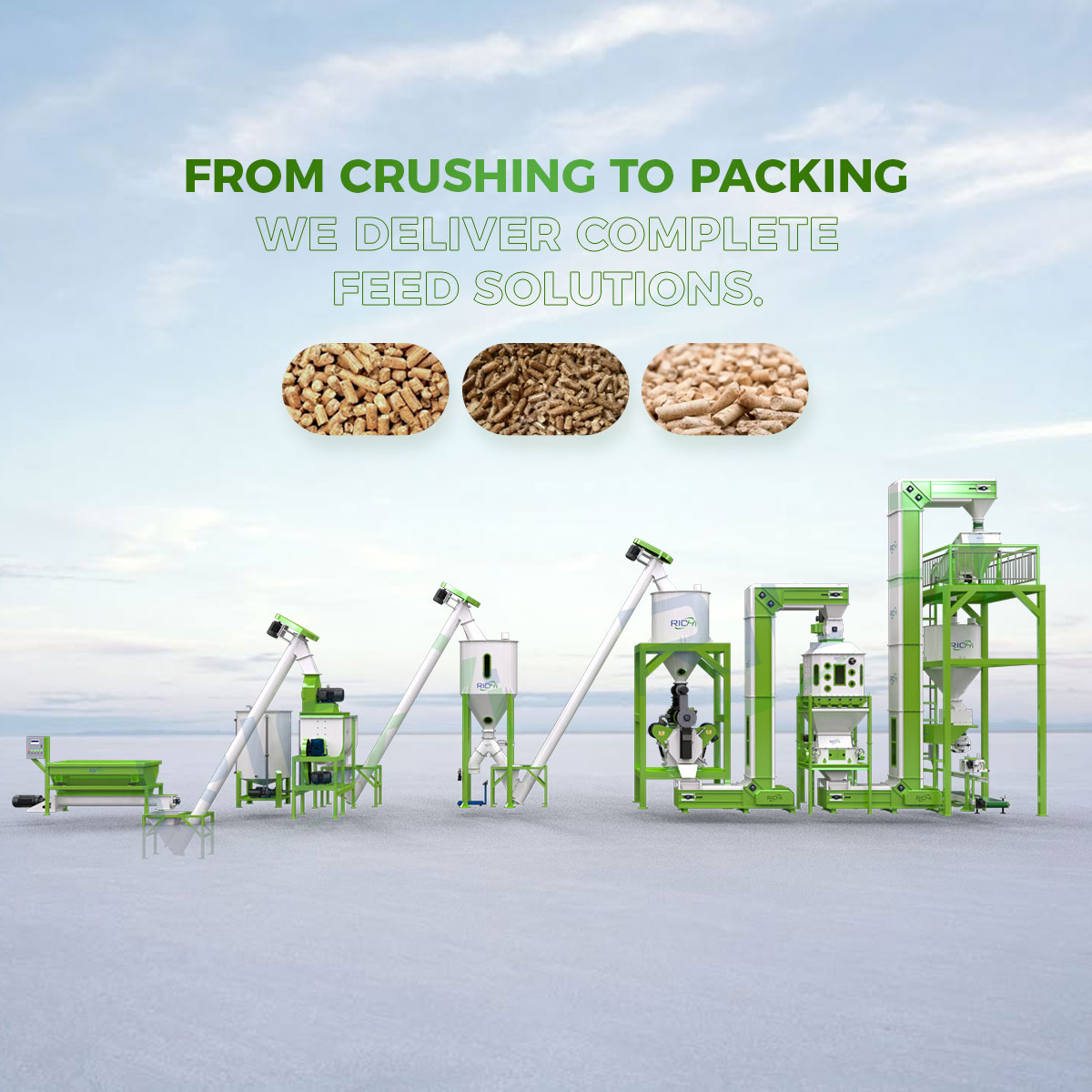
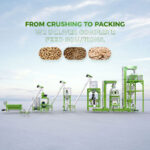
An industrial poultry feed production line adds another dimension. A complete line integrates grinding, mixing, conditioning, pelleting, cooling, and screening into a coordinated system. The line is designed for continuous operation, with minimal labor and maximum efficiency. The capacity of the line is determined by the capacity of its smallest component. If the pellet mill can produce two tons per hour but the cooler can only handle one, the line runs at one ton per hour. Integration matters.
The Die Is the Heart of the Machine
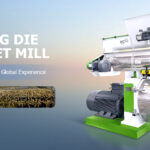
The die is the component that determines pellet quality, production cost, and maintenance frequency. It’s a thick metal ring with precision-drilled holes. The material is forced through those holes by rotating rollers. The friction and pressure generate the heat that binds the pellets together.
The die must be matched to the material. For poultry feed, a die made from standard steel will wear out quickly. The abrasive nature of the ingredients, especially when they include mineral supplements or fibrous by-products, requires a die made from wear-resistant alloy. The alloy die costs more upfront but lasts longer, reducing the cost per ton of pellets produced.
The die hole diameter determines the pellet size. Different markets require different sizes. Broiler feed is often 3 to 4 millimeters. Layer feed may be 4 to 5 millimeters. The die configuration must match the intended market.
The compression ratio—the relationship between the die hole diameter and the die thickness—affects pellet density and durability. A higher compression ratio produces denser, more durable pellets but requires more power and generates more heat. The right ratio depends on the material and the desired pellet characteristics.
What About the Rest of the System?
A pellet mill doesn’t work in isolation. It’s part of a system. The grinder prepares the material. The mixer blends the ingredients. The conditioner adds steam. The cooler hardens the pellets. The screener removes fines. The conveyors move material between stages.
If you’re buying a poultry feed pellet mill for sale, you need to think about how it fits into your existing operation or how you’ll build the system around it. Some suppliers offer complete lines. Others sell individual components. The right approach depends on your needs and your budget.
The supporting equipment affects the quality of the final product. Inconsistent grinding leads to inconsistent pellets. Inadequate mixing leads to uneven nutrition. Poor cooling leads to soft pellets that crumble in storage. Poor screening leads to excess fines. Each component matters.
The Manufacturer Matters More Than You Think
The manufacturer of the equipment affects everything. The quality of the build determines how long the machine lasts. The quality of the support determines how quickly you can resolve problems. The availability of spare parts determines how long the machine is down when something wears out.
A manufacturer with experience in poultry feed production understands the challenges. They know which die works for which formulation. They know the conditioning parameters that produce the best results. They know the maintenance practices that extend the life of the machine.
They also stand behind their equipment. A warranty is only as good as the company that offers it. A manufacturer with a long track record and a global presence is more likely to be around when you need support than a company that appeared last year.
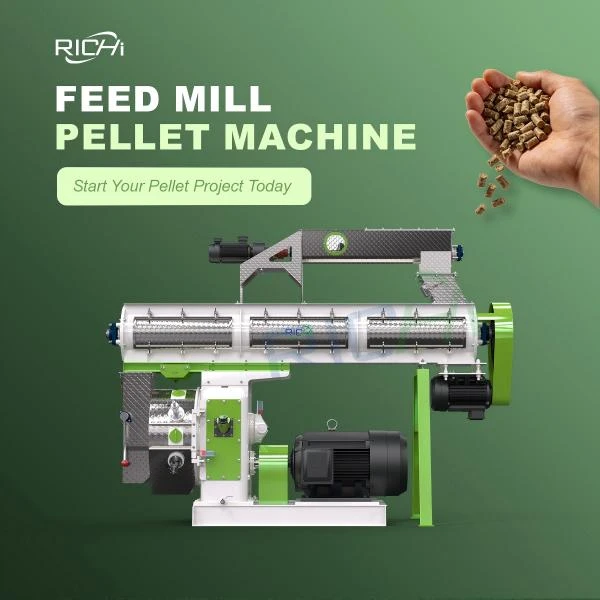
Richi pelletizer has been building feed processing equipment for decades. They’ve worked with poultry producers in many countries. They understand that poultry feed is not the same as cattle feed or pig feed. They know the challenges of pelleting high-fat and high-fiber rations. They’ve designed their machines to handle those challenges. And they provide the support that keeps them running.
The Economics of Ownership
The purchase price is just the beginning. The total cost of ownership includes electricity, labor, maintenance, and replacement parts. These ongoing costs can be greater than the initial investment over the life of the machine.
Electricity is a major cost. Pelleting is energy-intensive. The motor, the conditioner, and the cooling system all consume power. A machine that’s more efficient will cost less to run. The difference can add up to thousands of dollars per year.
Maintenance is another cost. Dies and rollers wear out. Bearings need lubrication. Belts need replacement. A machine that’s easy to maintain will have lower labor costs and less downtime.
The payback period depends on the difference between the cost of producing pellets and the cost of buying them, or the revenue from selling pellets and the cost of production. For many operations, the payback period is two to three years. After that, the savings or revenue continue for the life of the equipment.
The Questions You Should Ask
Before you buy, ask the supplier these questions. What is the actual capacity with my material? What die configuration do you recommend and why? What is the expected die life? What spare parts should I keep on hand? What training do you provide? What support do you offer after the sale?
The answers will tell you a lot about the supplier and the equipment. A supplier who hesitates or gives vague answers is not the one you want to work with. A supplier who engages with your questions and provides specific, detailed answers is the one you want.
It also helps to visit a working installation. See the equipment in operation. Talk to the operators. Watch how the pellets come out. Ask about maintenance and downtime. A firsthand look will tell you more than any brochure.
Making the Decision
Buying feed milling equipment is a significant investment. It’s not a decision to be made quickly or based on price alone. The right machine for your operation is the one that matches your material, your production goals, and your budget for the long term.
The market has options at every scale and every price point. The industrial poultry feed production line category includes systems from many manufacturers, with varying quality and support. The key is to look beyond the price tag and evaluate the whole package.
The right machine will pay for itself. It will produce pellets that meet your standards. It will run reliably with proper maintenance. It will be supported by a manufacturer who stands behind it. The wrong machine will do none of those things. It will cost more than you expected, produce less than you hoped, and cause more frustration than you can imagine. The difference between the two comes down to the research you do before you buy.
You may also like:https://pelletizerextruder.com/chicken-feed-pellet-mill/