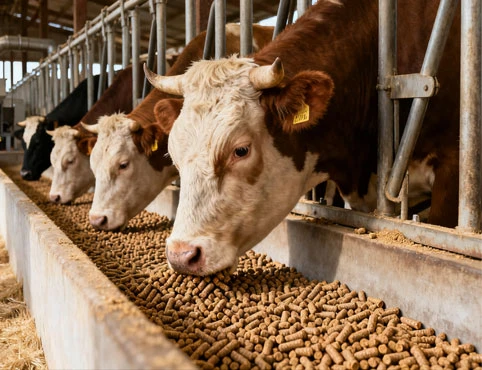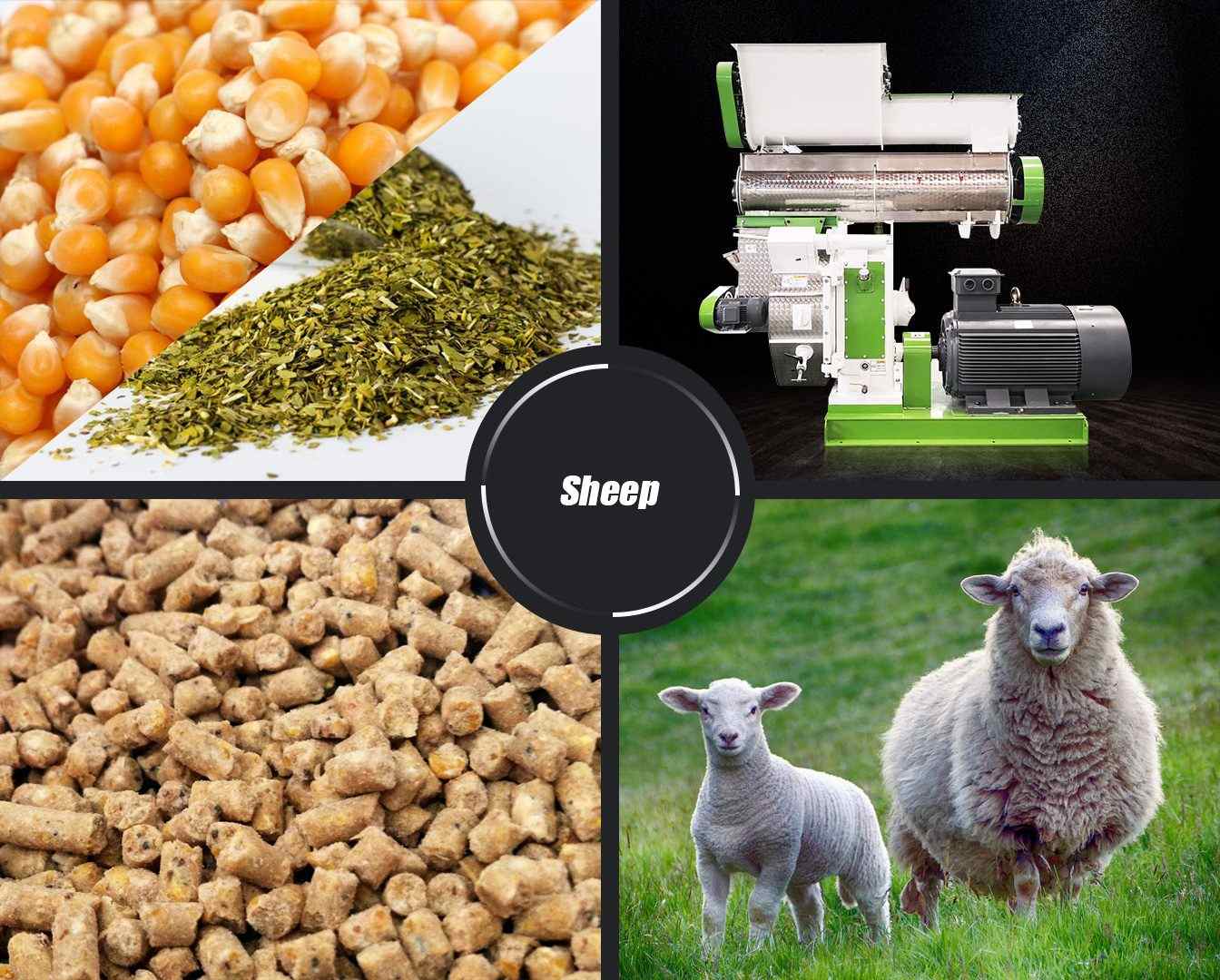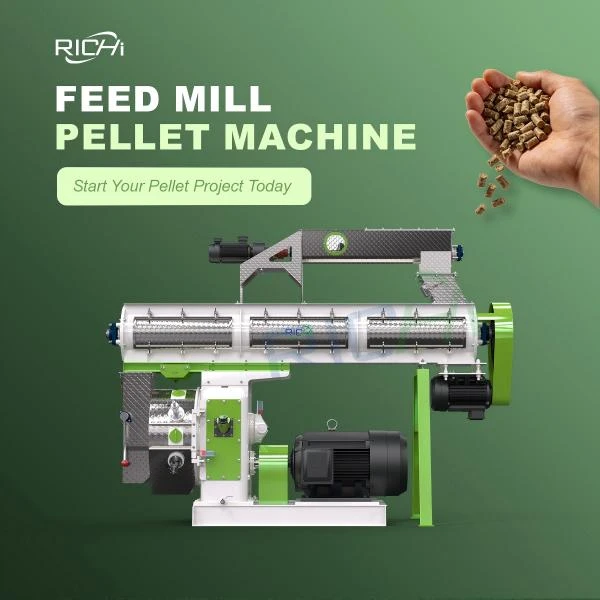
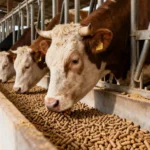




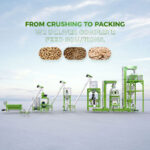

Livestock feed plays a central role in modern animal farming because it directly determines growth performance, milk yield, meat quality, and overall farm profitability. As global demand for animal protein continues to rise, farmers and feed producers are increasingly relying on standardized and efficient feed manufacturing systems to ensure consistent quality and nutritional balance.
The livestock feed manufacturing process is a carefully designed system that transforms raw agricultural ingredients into scientifically formulated animal feed. This process involves multiple stages, including raw material selection, grinding, batching, mixing, conditioning, pelletizing or packaging, and quality control. Each step contributes to ensuring that animals receive safe, balanced, and highly digestible feed.
This article provides a comprehensive overview of the livestock feed manufacturing process and explains how modern equipment improves efficiency, consistency, and profitability in feed production.
Understanding Livestock Feed Manufacturing
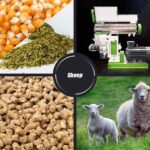
Livestock feed manufacturing refers to the industrial process of converting raw agricultural materials into complete or supplementary animal feed. These feeds are designed for different types of livestock, including:
- Cattle
- Poultry
- Sheep
- Goats
- Swine
- Aquatic animals
Each animal species has specific nutritional requirements, and feed formulations must be carefully adjusted to meet those needs.
Typical feed ingredients include:
- Corn
- Soybean meal
- Wheat bran
- Rice bran
- Alfalfa meal
- Mineral supplements
- Vitamin premixes
- Protein concentrates
The goal of feed manufacturing is to ensure uniform nutrient distribution, improve digestibility, and enhance feed efficiency.(read more)
Step 1: Raw Material Reception and Storage
The first stage in feed manufacturing is receiving and storing raw materials. High-quality feed begins with high-quality ingredients, so strict inspection is required before materials enter the production line.
Key activities include:
- Weighing incoming materials
- Inspecting moisture content
- Checking for mold or contamination
- Removing foreign materials
Raw materials are then stored in silos or warehouses designed to prevent:
- Moisture absorption
- Pest infestation
- Nutrient degradation
Proper storage is essential because poor-quality ingredients can negatively affect the entire production process.
Step 2: Grinding and Size Reduction
Grinding is a crucial step in feed manufacturing because it determines particle size uniformity, which directly impacts digestibility and mixing efficiency.
Large raw materials such as corn kernels and soybean meal are processed using high-efficiency animal feed hammer mills or crushers to achieve fine and uniform particle sizes.
Benefits of grinding include:
- Improved nutrient absorption
- Better feed mixing
- Enhanced animal digestion
- Reduced feed waste
Smaller particle sizes allow animals to break down feed more efficiently, improving overall performance.
Step 3: Batching and Ingredient Proportioning
Batching is the process of measuring and proportioning raw materials according to specific feed formulas.
Modern feed manufacturing plants use automated batching systems that ensure high precision in ingredient measurement.
This step ensures:
- Nutritional balance
- Consistent feed quality
- Accurate formulation execution
Even small deviations in ingredient ratios can significantly affect animal performance, making batching one of the most important steps in the entire process.
Step 4: Mixing – The Core of Feed Production
Mixing is one of the most critical stages in livestock feed manufacturing because it ensures that all ingredients are evenly distributed throughout the feed.
A uniform mixture guarantees that every bite of feed contains the correct nutritional balance.
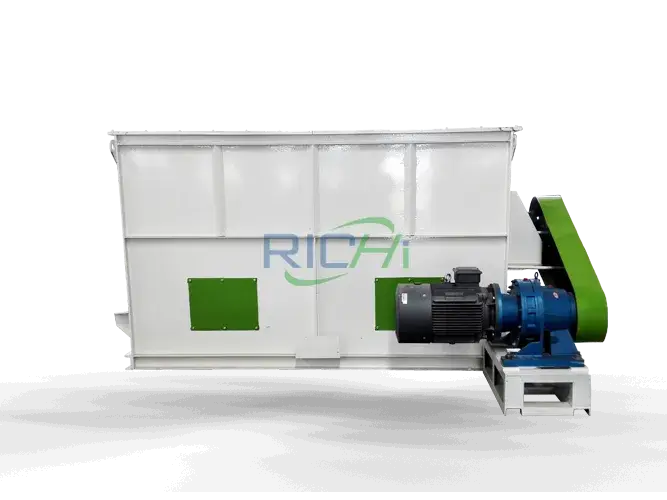
This stage is typically carried out using industrial feed mixers, including horizontal and vertical mixers.
The Role of a Cattle Feed Mixer
In cattle farming, feed consistency is especially important due to the large daily feed intake and complex nutritional needs of dairy and beef cattle.
A cattle feed mixer is specifically designed to blend ingredients such as grains, protein meals, minerals, and fiber sources into a homogeneous mixture.
https://richipelletizer.com/cattle-feed-mixer-machine-price
Key advantages include:
- Uniform nutrient distribution
- Improved feed intake consistency
- Better digestion efficiency
- Reduced feed sorting behavior in cattle
- Enhanced milk and meat production
Without proper mixing, cattle may selectively consume certain ingredients, leading to nutritional imbalance and reduced productivity.
Modern cattle feed mixers are designed to handle large volumes efficiently while maintaining high mixing accuracy, making them essential equipment in commercial feed production systems.
Step 5: Conditioning (Optional but Important)
Conditioning involves adding steam or moisture to the mixed feed before pelletizing.
This step improves:
- Feed texture
- Pellet durability
- Digestibility
- Binding properties
Heat and moisture help activate natural binding agents in feed ingredients, especially starches and proteins.
Proper conditioning ensures that pellets are strong, durable, and easy to handle.
Step 6: Pelletizing or Crumbling
Depending on the type of feed required, the mixed feed may undergo pelletizing or crumbling.
Pelletizing Process
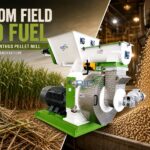
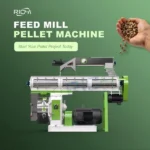
Pellet mills compress feed material into uniform cylindrical pellets.
Benefits include:
- Reduced feed waste
- Improved feed conversion ratio
- Easier storage and transportation
- Reduced dust generation
Crumbling Process
Pellets are broken into smaller particles for young animals such as chicks or piglets.
Both processes improve feed efficiency and adaptability for different livestock needs.
Step 7: Cooling Process
Freshly produced pellets are hot and soft due to compression and friction during pelletizing.
Cooling is required to:
- Harden pellets
- Reduce moisture
- Improve durability
- Prevent mold growth
Counterflow coolers are commonly used in modern feed plants because they provide uniform and efficient cooling.
Proper cooling ensures that pellets maintain structural integrity during transportation and storage.
Step 8: Screening and Quality Separation
After cooling, feed products are screened to remove:
- Dust
- Fine particles
- Broken pellets
This step ensures that only high-quality feed reaches packaging and distribution.
Rejected materials are often recycled back into the production system, improving efficiency and reducing waste.
Step 9: Packaging and Storage
Final feed products are packaged for distribution or bulk storage.
Common packaging methods include:
- Small bags for retail customers
- Large sacks for farms
- Bulk storage in silos
Proper packaging protects feed from:
- Moisture
- Contamination
- Nutrient loss
Good storage practices ensure feed remains fresh and nutritionally stable until use.
Quality Control in Feed Manufacturing
Quality control is essential throughout the entire feed production process.
Key quality indicators include:
Nutritional consistency
Ensuring feed meets formulation standards.
Moisture content
Preventing spoilage and mold growth.
Particle uniformity
Improving digestibility and mixing efficiency.
Contamination control
Avoiding harmful substances in feed.
Laboratory testing and real-time monitoring systems help maintain strict quality standards.
Automation in Modern Feed Production
Modern livestock feed manufacturing relies heavily on automation to improve efficiency and accuracy.
Automated systems include:
- Computerized batching systems
- Digital formulation software
- Automatic weighing systems
- Conveyor transport systems
Benefits of automation:
- Reduced human error
- Higher production efficiency
- Lower labor costs
- Consistent product quality
Automation has transformed feed production into a highly efficient industrial process.
Energy and Cost Efficiency in Feed Production
Feed manufacturing requires careful cost management because feed represents the largest expense in livestock farming.
Major cost factors include:
- Raw materials
- Electricity
- Labor
- Equipment maintenance
Efficient production systems help reduce overall costs while maintaining high feed quality.
Investing in high-quality machinery such as a cattle feed mixer can significantly improve operational efficiency by reducing mixing time and improving feed uniformity.
Environmental Considerations
Modern feed manufacturing also focuses on environmental sustainability.
Key benefits include:
- Reduced agricultural waste
- Efficient resource utilization
- Lower greenhouse gas emissions
- Improved feed conversion efficiency in livestock
Sustainable feed production supports long-term agricultural development and environmental protection.
Common Challenges in Feed Manufacturing
Despite technological advancements, several challenges remain:
- Fluctuating raw material prices
- Feed quality variation
- Equipment maintenance requirements
- Energy consumption costs
- Technical skill requirements
Proper planning and investment in modern equipment help overcome these challenges.
Future Trends in Livestock Feed Manufacturing
The feed industry continues to evolve rapidly, driven by innovation and sustainability goals.
Future trends include:
- AI-based feed formulation
- Precision livestock nutrition
- Smart manufacturing systems
- Automated quality monitoring
- Sustainable feed ingredient development
These advancements will further improve efficiency, reduce costs, and enhance livestock productivity.
Conclusion
The livestock feed manufacturing process is a complex but highly efficient system that transforms raw agricultural materials into scientifically balanced animal feed. Each stage—from raw material selection and grinding to mixing, pelletizing, and quality control—plays a vital role in ensuring feed quality and consistency.
Among all production stages, mixing remains one of the most critical, and equipment such as the cattle feed mixer is essential for achieving uniform nutrient distribution and maximizing livestock performance.
As the global demand for animal protein continues to rise, modern feed manufacturing systems will remain essential for improving farm efficiency, reducing costs, and supporting sustainable livestock production. (view our website: Richi Machinery)