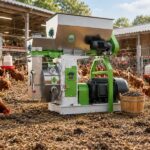

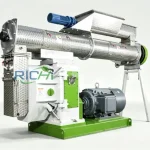
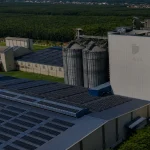

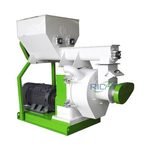


A well-planned pellet production facility is no longer just about installing machines—it is about designing a complete, scalable system that aligns raw materials, capacity, and market demand. A successful pellet plant project integrates technical planning, cost control, and long-term operational stability, making it an attractive option for investors across biomass, agriculture, and industrial processing sectors.
As pellet demand continues to grow globally, more producers are shifting from small, fragmented setups to standardized pellet plant projects with clear expansion potential.
Why Pellet Plant Projects Are Gaining Global Attention
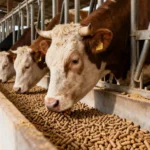
Pellet plants offer a practical solution for converting loose, low-density raw materials into high-value products. Whether the goal is biomass fuel, animal feed, or industrial pellets, pelletizing improves storage efficiency, transportation economics, and end-user convenience.
Across Asia, Africa, and South America, pellet plant projects are increasingly driven by local raw material availability combined with international market demand. Decision-makers often emphasize data transparency when evaluating projects—straight from the source—production efficiency and pellet quality directly determine profitability.
Core Elements of a Pellet Plant Project
Every pellet plant project starts with a clear understanding of raw materials. Moisture content, fiber structure, and particle size all influence equipment selection and process design.
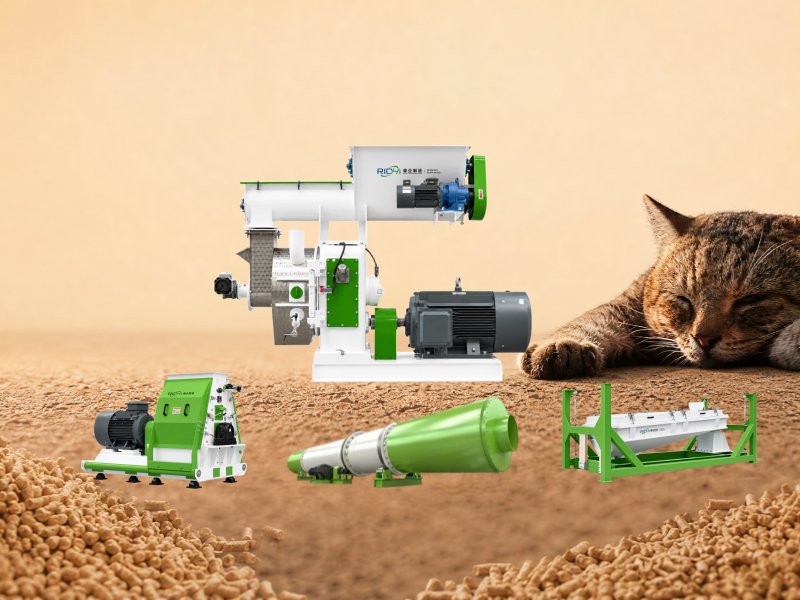
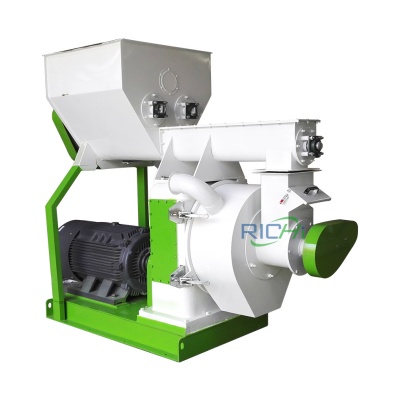
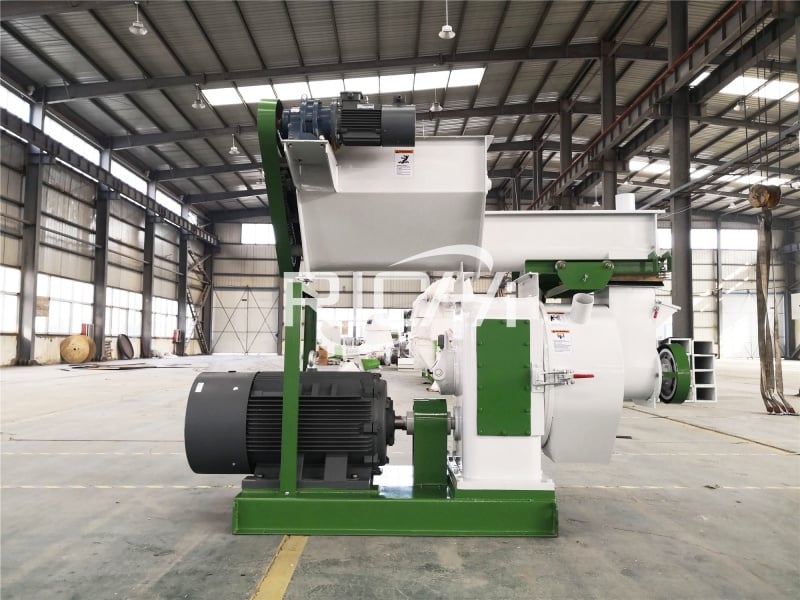
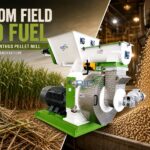
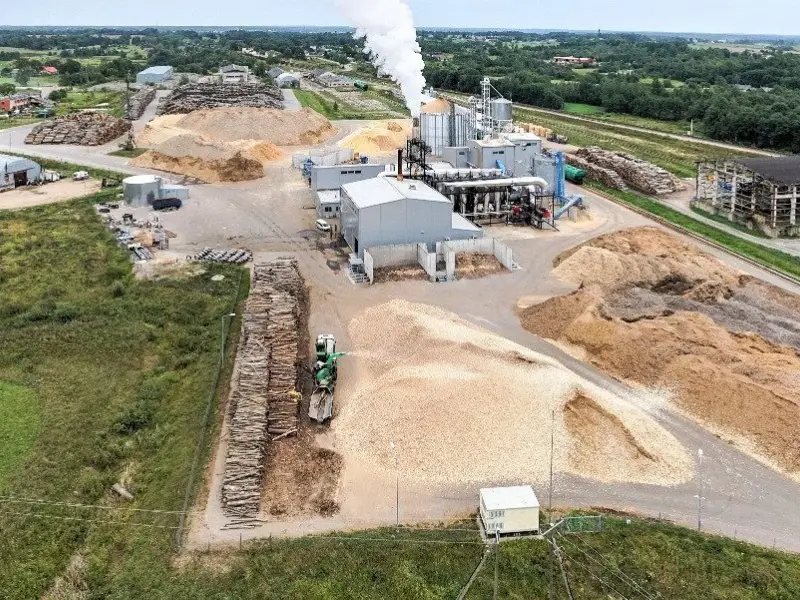
A typical project includes raw material handling, crushing or grinding, drying, pelletizing, cooling, screening, and packing. When integrated into a complete pellet production line, these steps ensure stable output and consistent pellet specifications.
Equally important is capacity planning. Choosing the right throughput level helps balance investment costs with market demand, avoiding underutilization or excessive energy consumption.
Case Insight: Rice Husk Pellet Projects in Southeast Asia
Rice husk has become one of the most promising biomass materials in rice-producing countries. A well-known example is the 2-3 t/h rice husk pellet plant in indonesia, which demonstrates how medium-capacity projects can achieve both operational flexibility and economic efficiency.
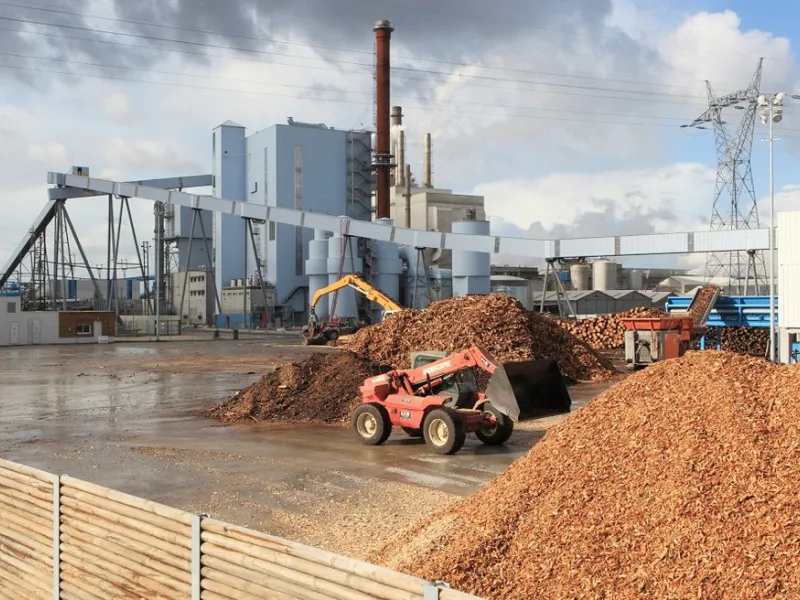
Such projects typically focus on local rice mills as raw material sources, minimizing transportation costs. By converting rice husk into pellets, producers reduce waste disposal issues while creating a standardized biomass fuel suitable for industrial boilers and export markets.
Designing for Stability and Expansion
Modern pellet plant projects are designed with future expansion in mind. Modular layouts allow producers to add capacity by upgrading pellet mills, dryers, or auxiliary equipment without redesigning the entire plant.
This approach is especially valuable in emerging markets, where pellet demand often grows gradually. Starting with a moderate-capacity plant reduces initial risk while preserving the option to scale up as market conditions improve.
Cost Control and Operational Efficiency
Investment cost is a critical factor in any pellet plant project. However, focusing only on upfront equipment prices can be misleading. Long-term operating costs—energy consumption, maintenance, labor, and spare parts—often have a greater impact on overall profitability.
Efficient process design and automation can significantly reduce labor requirements and downtime. A well-matched system ensures that each section of the plant operates at optimal efficiency, rather than creating bottlenecks that limit output.
Quality Standards and Market Access
Pellet quality directly affects market access, especially for export-oriented projects. Uniform size, low fines content, and stable calorific value are key criteria for international buyers.
A professionally designed pellet production line ensures that pellets meet these requirements consistently. Quality control systems, including screening and cooling, help maintain product standards and reduce customer complaints.
Selecting the Right Project Partner
Choosing an experienced project partner is as important as selecting the equipment itself. A reliable supplier offers not only machines but also layout design, installation guidance, and commissioning support.
Project-oriented suppliers understand how raw material characteristics, climate conditions, and local regulations affect plant performance. Their experience helps investors avoid common pitfalls during the construction and startup phases.
Long-Term Outlook for Pellet Plant Projects
As industries worldwide seek renewable and efficient material solutions, pellet plant projects will continue to gain momentum. Governments are promoting biomass utilization, and industrial users are increasingly adopting pellets as a cleaner, more manageable fuel.
For investors and producers, a pellet plant project represents a long-term strategy rather than a short-term opportunity. With proper planning and execution, it delivers stable returns, operational resilience, and sustainable growth potential in an evolving global market.
(Related Post: https://biomasspelletizer.com/global-cases/)