



Introduction
The price of poultry feed making machine refers to the cost associated with machinery used to produce chicken feed in pellet, mash, or crumble forms. These machines are essential for modern poultry farming, enabling efficient processing of grains, protein meals, vitamins, minerals, and other additives into nutritionally balanced feed suitable for chicks, broilers, layers, or breeders.
Understanding the price range of chicken feed making machines is critical for poultry farmers, feed mill operators, and investors. Prices vary widely due to differences in production capacity, automation, machine type, and manufacturing standards. This article explores the main factors influencing chicken feed machine pricing, its applications, and market trends.
What Is a Chicken Feed Making Machine?
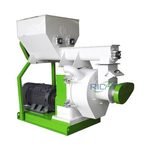
A chicken feed making machine is a specialized mechanical device that converts raw feed ingredients into uniform pellets or mash for poultry consumption. Depending on the machine type, it may include components for grinding, mixing, conditioning, pelletizing, cooling, and packaging.
The machine’s primary purpose is to improve feed efficiency, reduce waste, and ensure consistent nutrient intake across poultry flocks. Machines designed for poultry feed generally handle smaller particle sizes and lower fiber content compared to ruminant feed machines, reflecting the different digestive physiology of chickens.
Categories and Types of Chicken Feed Making Machines
Chicken feed making machines can be categorized based on production scale, die type, and processing method:
1. Small-Scale Machines
Suitable for small farms or backyard operations
Lower chicken feed making machine price
Often manual or semi-automatic operation
Usually flat die machines with output capacities of 0.3–1 ton per hour
2. Medium-Capacity Machines
Designed for regional feed producers or medium farms
Moderate pricing
Semi-automated or fully automated
Capable of producing 1–5 tons per hour
3. Industrial Machines
High-capacity ring die pellet machines
Fully automated production lines
Used by commercial feed mills and integrated poultry farms
Example suppliers like RICHI offer machines optimized for continuous operation and consistent pellet quality Read the article
Factors Affecting Chicken Feed Making Machine Price
Several factors influence the cost of chicken feed making machines:
Production Capacity
Output capacity is a key determinant of price
Higher output machines require stronger motors, reinforced structures, and high-precision components
Typical capacities range from 0.3 T/H to 10 T/H for small to industrial machines
Die Type and Material
Flat die machines are simpler and less expensive
Ring die machines provide higher throughput and durability
Machines built with high-strength alloy steel for dies and rollers generally have higher costs
Level of Automation
Basic machines require manual feeding and supervision
Advanced models may include automatic feeding, lubrication, monitoring, and overload protection
Automation increases price but reduces long-term labor costs and ensures consistent quality
Raw Material Adaptability
Machines capable of handling a variety of feed ingredients—corn, soybean meal, wheat bran, and premixes—tend to cost more https://richipelletizer.com/chicken-feed-making-machine-for-sale/
Greater adaptability allows use of locally available ingredients, improving overall cost-effectiveness
Price Range Overview
Chicken feed making machine price can vary significantly based on the type and specifications:
Small-scale machines: $1,500–$8,000 USD
Medium-capacity machines: $10,000–$40,000 USD
Industrial ring die pellet machines: $50,000–$150,000+ USD
The wide range reflects differences in output, die type, automation, and construction quality. Regional market conditions, import duties, and shipping costs also impact the final purchase price.
Operating Costs vs. Initial Investment
Initial machine price is only one part of total cost
Operating costs include electricity, labor, maintenance, die replacement, and raw material handling
Choosing a slightly higher-priced machine with better durability and efficiency often reduces long-term expenses
Raw Materials and Pellet Size Considerations
Common raw materials: corn, wheat, soybean meal, vitamins, minerals
Pellet diameter depends on poultry type:
Chicks: 2–3 mm
Broilers: 3–4 mm
Layers / adult chickens: 4–6 mm
Machines must be compatible with the target feed formulation and pellet size. Advanced suppliers like RICHI design machines capable of producing multiple pellet sizes using interchangeable dies.
Applications in Poultry Farming
Chicken feed making machines are widely applied across:
Broiler farms: supporting rapid growth and feed conversion
Layer farms: ensuring balanced nutrition for egg production
Breeder farms: maintaining reproductive performance
Feed mills: producing commercial poultry feed for regional distribution
Pelletized feed reduces selective feeding, improves digestibility, and minimizes wastage.
Global Market Trends
Demand for chicken feed making machines is increasing worldwide, especially in developing countries with growing poultry industries
Asia, Africa, and Latin America show the highest growth in poultry feed processing
Price trends are influenced by energy costs, raw material availability, and manufacturing competition
Suppliers like RICHI Machinery provide scalable solutions suitable for both small and industrial operations
Environmental and Sustainability Considerations
Modern machines are designed for energy efficiency and reduced dust emissions
Ability to use agricultural by-products supports sustainable farming
Properly produced feed pellets improve feed conversion ratios, reducing overall resource consumption
Maintenance and Longevity
Routine maintenance extends machine lifespan and ensures consistent pellet quality
Key tasks: die and roller inspection, lubrication, motor monitoring, and replacing worn parts
Well-maintained machines can operate reliably for decades, justifying the initial investment
Conclusion
The chicken feed making machine price is influenced by production capacity, die type, automation level, material quality, and regional factors. While prices vary widely, careful evaluation of long-term efficiency, adaptability, and support ensures that buyers achieve the best value. From small backyard operations to industrial feed mills, these machines are critical for producing consistent, high-quality poultry feed. Animal feed pellet making machine south africa